
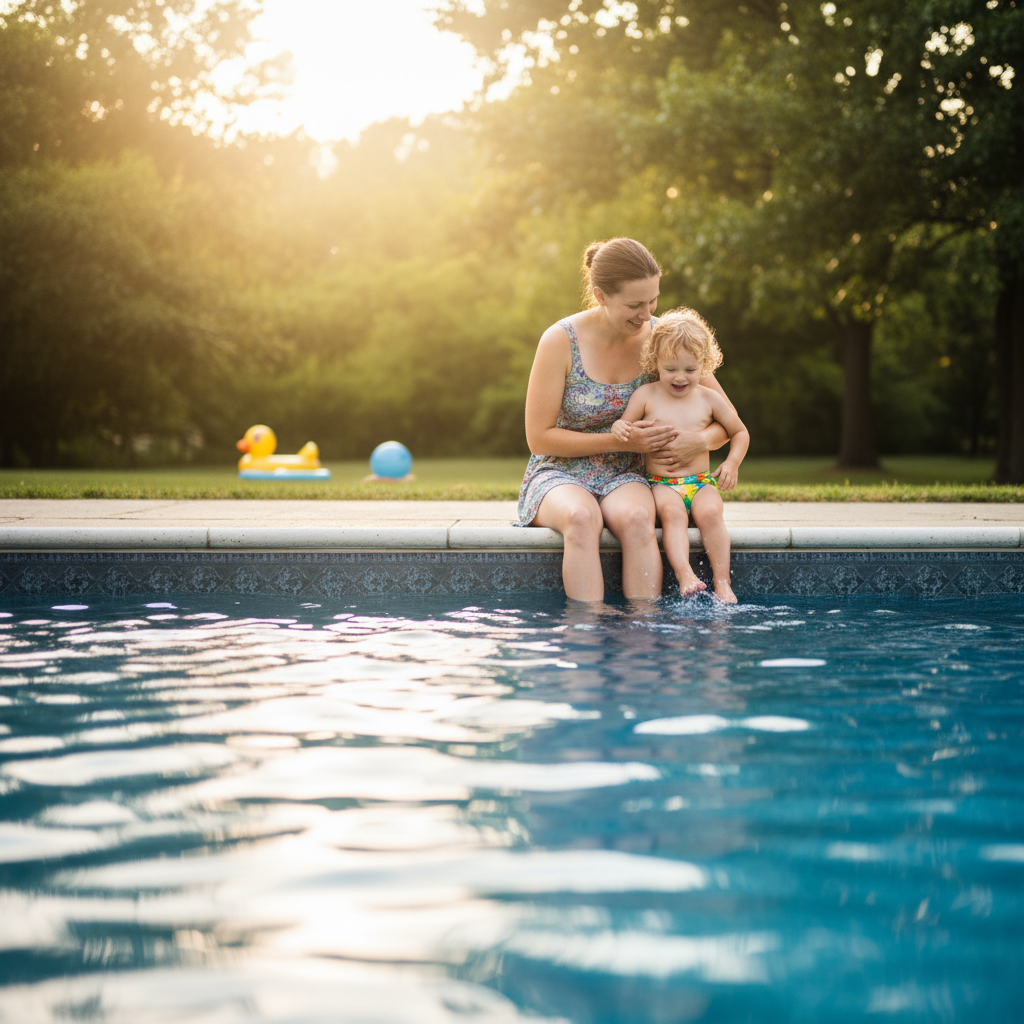
Helping kids overcome fear of water starts with creating a playful, low-pressure environment at home where children can explore at their own pace. Parents can build lasting confidence by identifying specific anxieties, using relaxation techniques like deep breathing, and celebrating small achievements to make swimming a positive bonding experience.
Watching your child stand frozen at the edge of the pool while others splash happily can be heartbreaking for any parent. The tears and the tight grip on your arm during poolside outings create a stressful environment that often leads to frustration for the whole family. However, water confidence is more than just a leisure skill; it is a fundamental safety requirement and a gateway to lifelong physical health. When a child is paralyzed by anxiety, they miss out on essential developmental milestones. Overcoming this hurdle requires a strategic approach that prioritizes psychological comfort over force. In this guide, we will explore why water anxiety develops and how your own backyard serves as the ideal sanctuary for progress. You will learn practical steps to build comfort, techniques for handling specific fears like submerging, and how professional mobile instruction builds the trust necessary for true aquatic mastery.
Understanding Why Children Develop a Fear of Water
"Why is my kid so afraid of water?" is a question many local parents ask when a routine bath or a trip to a public pool ends in tears. Understanding the root cause is the first step in helping kids overcome fear of water. Often, this anxiety stems from a combination of developmental milestones and sensory processing rather than a single negative event.
For toddlers, water anxiety is frequently tied to a natural "stranger danger" phase. At this age, anything unfamiliar or unpredictable, including a large body of shimmering water, can feel like a threat to their safety. For other children, the fear is purely sensory. The specific sensation of water on the face can trigger a primitive panic response, while the echoey, high-volume environment of a public aquatic center can lead to immediate overstimulation.
In the Albury-Wodonga region, many children spend their early years in the quiet, predictable environment of their own homes. Transitioning from a calm living room to a crowded public facility with splashing strangers, blowing whistles, and sharp chlorine smells is a significant leap. This sensory overload often manifests as a total refusal to enter the water. By identifying if the fear is rooted in the environment, a developmental phase, or a specific physical sensation like water in the eyes, you can begin to address the problem with empathy. Building confidence starts with acknowledging these feelings rather than dismissing them. At About Your Pool Swim School, we view these behaviors as natural protective instincts that simply need gentle redirection through private swimming lessons in a space where the child feels in control.
The Backyard Advantage: Why Home Swimming Lessons Work for Nervous Kids
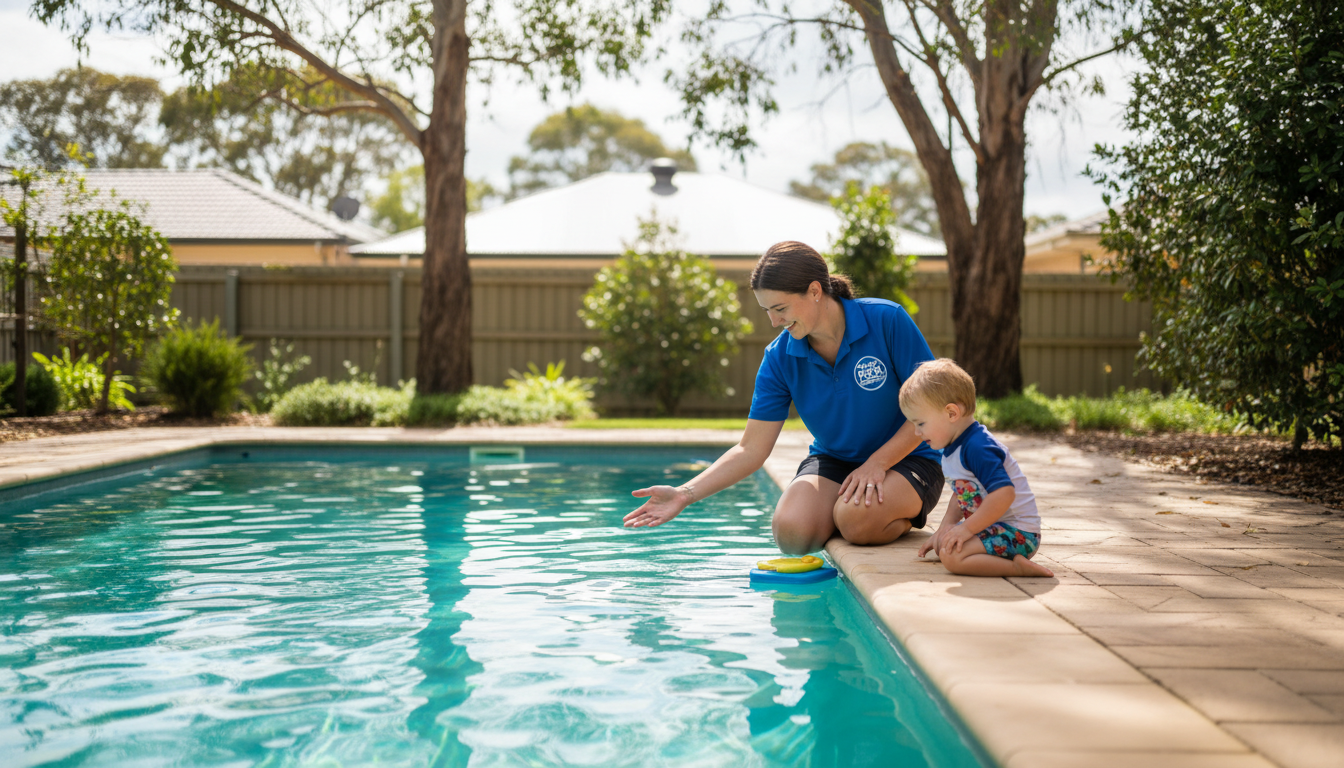
Eliminating environmental variables is the most effective way to lower a child's baseline anxiety. In a standard commercial aquatic center, a child's nervous system is often occupied by processing external stimuli: the sharp whistle of a lifeguard, the smell of concentrated chemicals, or the splashing of a dozen other children in the next lane. When we move the lesson to an Albury or Wodonga backyard, these distractions vanish. The child is not just in a pool; they are in their pool, a place associated with summer barbecues and family play rather than a clinical institution.
This familiarity grants the child a sense of environmental mastery. When helping kids overcome fear of water, the first hurdle is always the loss of control. In a public setting, the pace is often dictated by a rigid class schedule and a group dynamic. Conversely, private swimming lessons at home allow the instructor to focus entirely on the child's body language. If a child needs five minutes on the top step just to feel the water on their toes, there is no pressure from other parents or students to move faster. This lack of external pressure is often the missing link for kids who have previously struggled in traditional settings.
At About Your Pool Swim School, we observe that children in their own environment are more likely to take calculated risks. The acoustic profile of a backyard is far more manageable, allowing the instructor's voice to remain calm and clear without competing against the echo of a large hall. By removing the sensory static of a public facility, we create a quiet space where the child can actually hear their own breathing and focus on the physical sensations of buoyancy. This controlled setting is where the transition from fear to curiosity begins.
Five Practical Steps for Helping Kids Overcome Fear of Water at Home
Building confidence begins long before the first toe touches the backyard pool. By integrating low-stakes water play into daily routines, you prepare your child's nervous system for the more structured environment of private swimming lessons. These five strategies focus on incremental progress and psychological safety within the home.
Use the Bathtub as a Laboratory. The bathtub is the most controlled aquatic environment available. Instead of focusing solely on hygiene, dedicate time to gentle splashing and play. Let the child lead the interaction, allowing them to explore how water moves when they kick or push it with their palms.
Create Positive Associations with High-Value Toys. Introduce toys that are exclusive to water time. If a child is focused on a floating dinosaur or a colourful watering can, their brain prioritises play over the perceived threat of the water. This shift in focus is essential for helping kids overcome fear of water.
Implement a 3-Day Face-Wetting Progression. A child afraid of water on face often fears the loss of breath or the stinging sensation in the eyes. Avoid using a shower head, which can be forceful and noisy. Instead, follow this sequence:
Day 1: Use a soft, damp washcloth to gently wipe the child's cheeks and chin during play.
Day 2: Use a wet sponge to let a few drops of water trickle down their forehead and nose.
Day 3: Encourage the child to cup water in their own hands and wash their face, giving them full control over the volume and timing of the water.
Model Confident Body Language. Children are expert observers of their parents' micro-expressions. If you tense up or gasp when water splashes you, your child will mirror that alarm. Maintain a calm, neutral, or joyful expression even when you get unexpectedly wet.
Prioritize Success Over Duration. A five-minute session that ends with a laugh is infinitely more valuable than a thirty-minute struggle. End the session while the child is still having fun, leaving them eager for the next encounter.
If you notice your child remains hesitant after trying these steps, you can contact us for a consultation to discuss how our instructors at About Your Pool Swim School can bridge the gap between bathtub play and backyard swimming.
How to Handle a Child Afraid of Putting Their Head Under Water
Submerging the face is often the most significant hurdle in helping kids overcome fear of water. This resistance is frequently tied to the mammalian dive reflex, a biological response where the body instinctively holds its breath when the face is submerged. While this reflex is a natural survival mechanism, the sensation of involuntary breath-holding can feel like a loss of control to a young child, leading to panic.
To gently override this reflex, we focus on active exhalation. Teaching a child to blow bubbles on the surface is the first step toward controlled breathing. Once they are comfortable, we introduce humming underwater. Humming is a particularly effective technique because it creates a continuous stream of air through the nose and mouth, preventing water from entering while providing a familiar sensory vibration that distracts from the novelty of being submerged.
Introducing goggles can serve as a vital bridge to comfort. For many children in our private swimming lessons, the primary fear is the visual distortion or the stinging sensation of water in their eyes. High-quality goggles allow them to see the environment clearly, turning a blurry, threatening space into a predictable one. At About Your Pool Swim School, we find that once a child can see the pool floor or a favorite toy clearly, their willingness to submerge increases dramatically.
Managing Sudden Water Anxiety in Toddlers and Two Year Olds
It is common for parents in the Murray River region to notice a 2 year old suddenly scared of water after months of successful bath times or pool visits. This shift often coincides with significant developmental milestones. Around two years of age, a child’s cognitive ability to imagine potential threats increases, leading to temporary regressions in water confidence. These phases are normal and do not mean your child has lost their skills forever; they are simply processing a new awareness of their environment.
When managing these regressions, avoid the temptation to use a sink or swim approach. Forcing a terrified toddler into the water can cause long-term trauma and solidify the very fear you are trying to prevent. Instead, remain consistent with your routine while staying flexible with expectations. If they only want to sit on the edge during private swimming lessons, let them. At About Your Pool Swim School, we encourage parents to prioritise emotional safety. Building resilience takes time, and pushing through a panic response rarely yields positive results. If you are struggling with a sudden regression, you can contact us for a consultation to adjust your child's specific learning plan.
The Role of a Mobile Swim Instructor in Building Trust
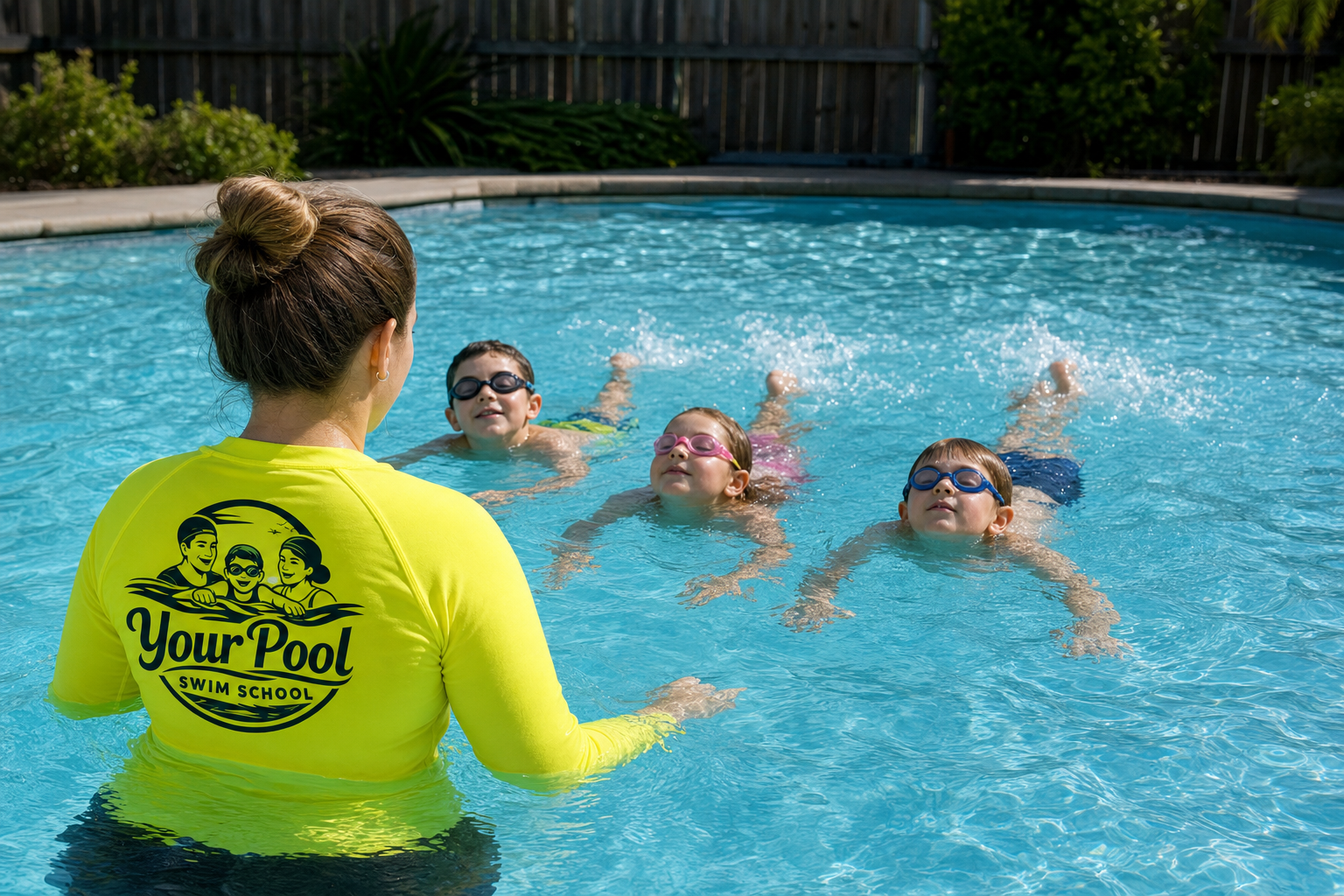
A mobile instructor serves as the vital link between a child’s safety at home and the inherent uncertainty of the water. Unlike traditional aquatic centres where a teacher might oversee six or more students simultaneously, a private instructor is dedicated entirely to your child’s emotional state. In large groups, a nervous child often gets lost in the shuffle or feels pressured to keep up with more confident peers, which can lead to the specific complaint: "My child hates swimming lessons, what can I do?" The most effective answer is often shifting the environment and the ratio by moving to 1:1 private swimming lessons in a familiar setting.
At About Your Pool Swim School, our methodology is built on a patience-first foundation. We recognise that trust must be earned on the pool steps before it can be tested in deeper water. Our instructors spend the initial minutes of a lesson establishing a rapport, often sitting on the edge or the shallowest step to level with the child physically and emotionally. This bond allows the instructor to become a "safe person" within a potentially intimidating environment, providing the necessary emotional anchor for the child to explore their physical capabilities.
By observing subtle cues, such as a white-knuckled grip on the pool edge or a slight holding of the breath, the instructor can pivot the lesson in real time. This immediate responsiveness is the cornerstone of helping kids overcome fear of water. When a child feels heard and respected, they are far more likely to take the next step, literally and figuratively. If you are ready to move away from the stress of public classes, you can contact us for a consultation to see how a mobile approach can fundamentally change your child’s perspective on the water.
Building confidence in the water is a gradual process that starts with patience and positive experiences at home. By creating a safe, fun environment, you lay the foundation for a lifetime of aquatic enjoyment. While these backyard techniques are powerful, sometimes a bit of extra guidance can make a difference. If you want expert help to build your child's skills further, we are here to assist. You can read more About our school to see how we foster confidence through personalised instruction. We believe every child can feel safe and happy in the pool.