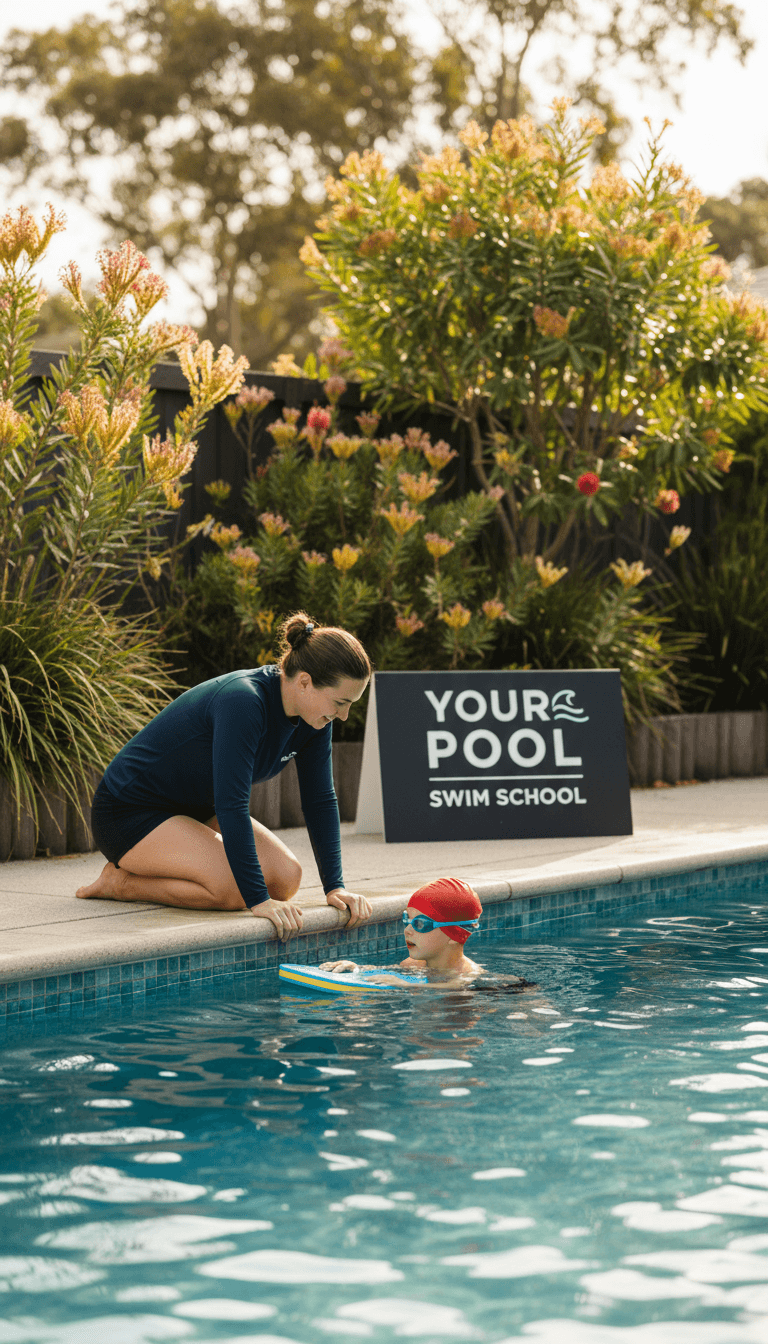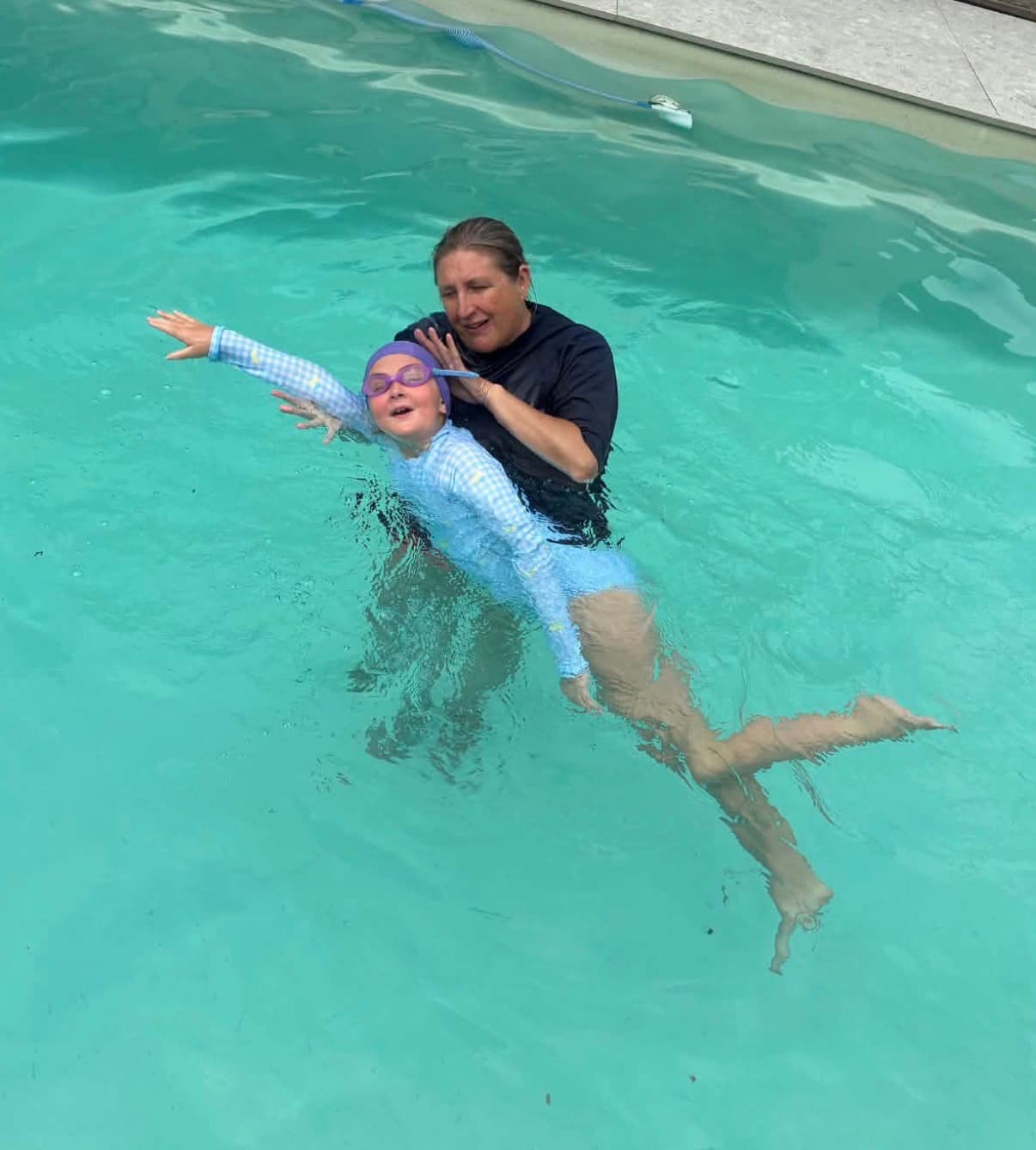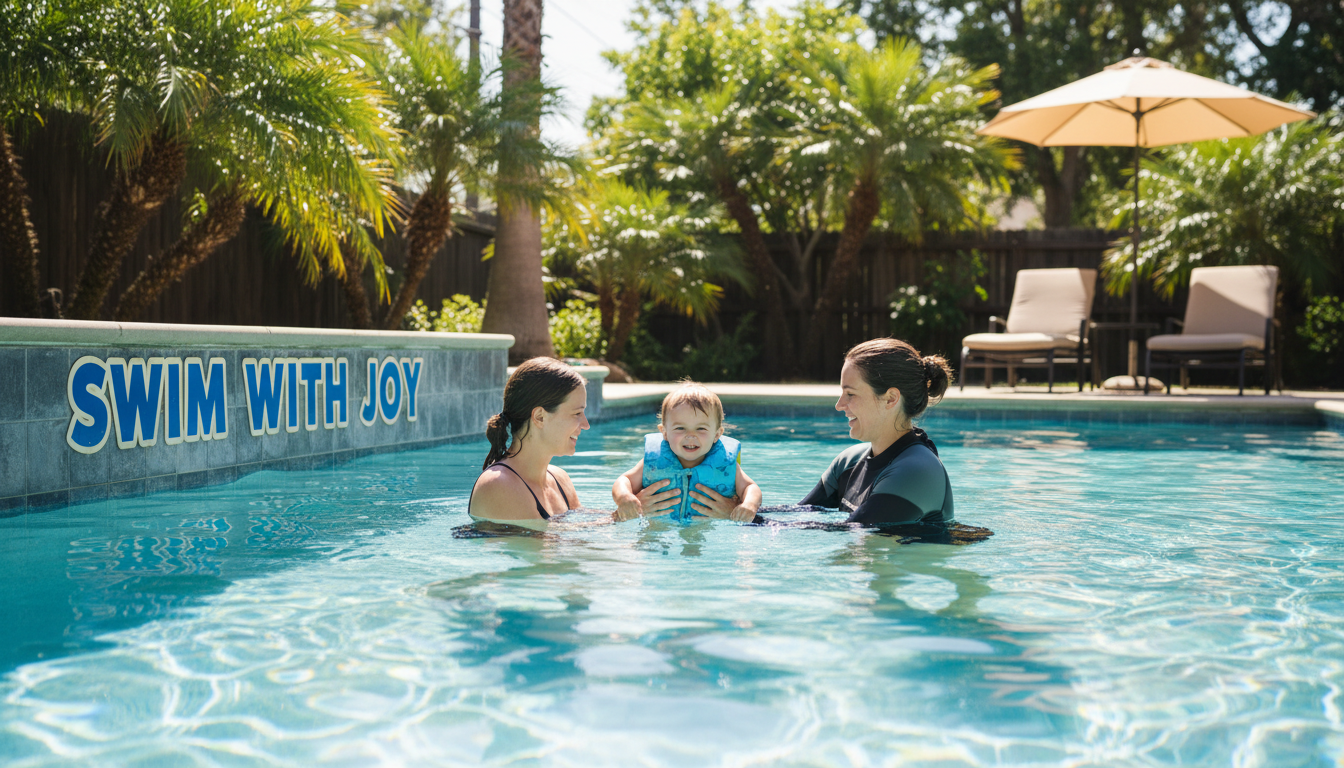
Learning to swim at home offers a controlled and familiar environment that fosters faster confidence building through personalised attention and flexible scheduling. This approach eliminates the distractions of crowded public facilities while allowing families to focus on critical water safety skills, ultimately reducing the risk of accidents in private pools through focused small-group lessons that fit your family's routine.
Navigating the chaotic environment of a crowded public pool often leaves parents feeling frustrated and children feeling overwhelmed. Between the echoing acoustics and the distracted instructors, meaningful progress frequently stalls. At Your Pool Swim School, we recognise that the sensory overload of a leisure centre can actually hinder a student's ability to retain vital water safety skills. By shifting the focus to a controlled, private environment, swimmers gain the confidence needed to master technical strokes without the constant interruptions of a large group setting. This article explores the growing demand for private lessons in Albury Wodonga and explains why your backyard is the most effective classroom for aquatic education. You will discover the sensory advantages of home learning, the critical safety statistics every pool owner must know, and actionable tips to ensure your family develops life saving skills in a familiar, comfortable setting.
The Rise of Private Swim Lessons in Albury Wodonga
Traditional swimming education in Albury Wodonga has historically centred around large leisure centres and public aquatic facilities. While these hubs have served the community for decades, a significant shift is occurring as families look for more efficient, low-stress alternatives. The emergence of this mobile swim school represents a move toward high-quality, targeted instruction that integrates seamlessly into a modern household schedule.
Based in Albury, Your Pool Swim School addresses this growing demand by bringing professional expertise directly to residential doorsteps. By facilitating personalised swimming lessons in a client's own backyard, we remove the logistical hurdles commonly associated with the traditional swim school model. This approach moves the focus from managing a commute to mastering aquatic skills alongside family and friends.
Public pools often present a chaotic environment characterised by high noise levels, multiple classes sharing single lanes, and the general bustle of a community hub. For many learners, particularly toddlers, this sensory overload can hinder progress and trigger anxiety. Transitioning to a controlled home setting allows for a focused lesson whereby the children feel safe and at ease in the ir ownenvironment. As the region recognise the benefits of learning to swim at home, the local landscape of aquatic education wll change to prioritise individual results over group throughput.
The Sensory Advantage: Why Comfort Leads to Faster Progress
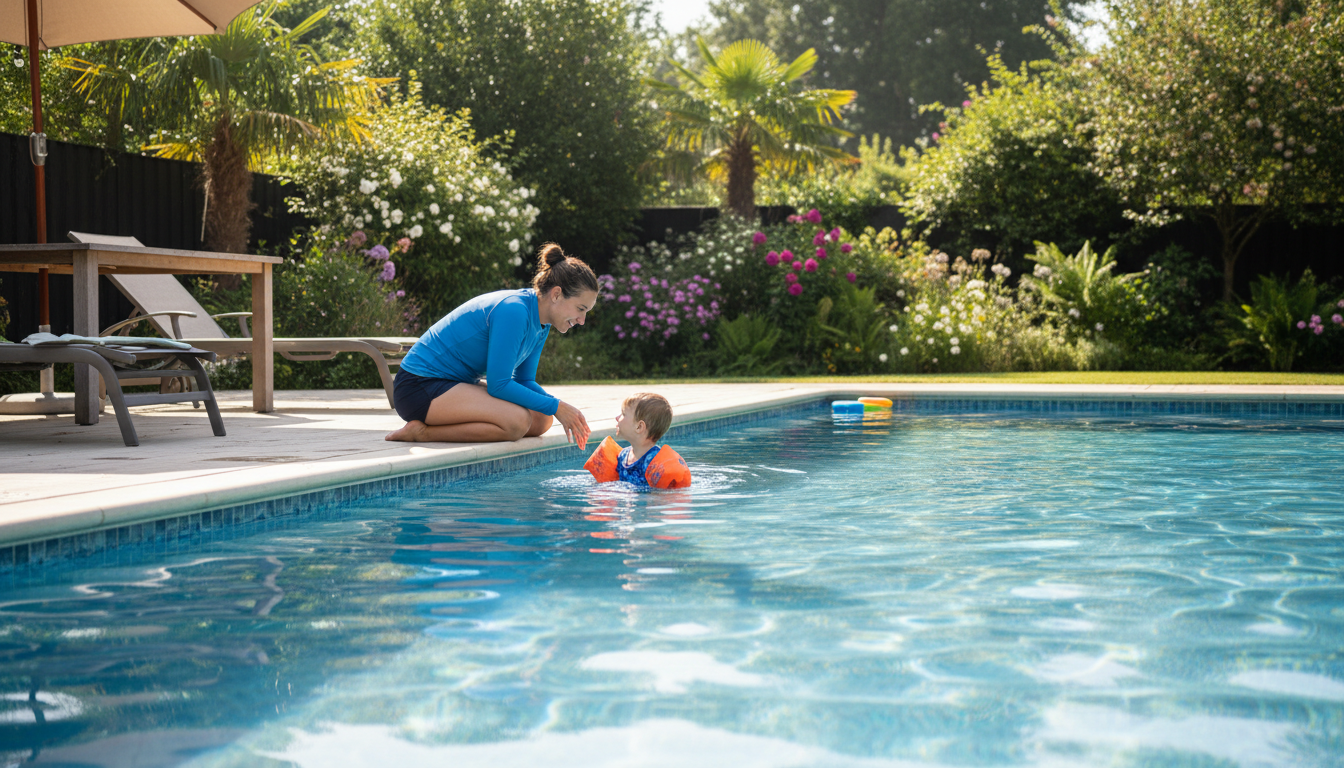
The transition from a chaotic public space to a familiar backyard pool is more than just a matter of convenience; it is a fundamental shift in how a child processes information. For a toddler, a large aquatic centre can be an intimidating landscape. The combination of high, vaulted ceilings and tiled surfaces creates an acoustic environment where every whistle, shout, and splash is magnified. When these auditory triggers are paired with the pungent smell of industrial grade chemicals, the result is often sensory overload.
In these high stimulation environments, the brain often enters a state of hyperarousal. When a child’s nervous system perceives an environment as overwhelming, it prioritises safety over skill acquisition. This physiological response inhibits cognitive retention, making it difficult for a student to follow complex instructions or master new motor patterns. Contrast this with the backyard advantage found when learning to swim at home. By staying within their own territory, children feel a sense of psychological safety that is impossible to replicate in a public lane. This comfort lowers their baseline stress, allowing the brain to focus entirely on the personalised swimming lessons provided by the instructor.
The Albury summer heat further complicates the public pool experience. During peak midday hours, local aquatic centres often reach capacity, leading to crowded lanes and bustling change rooms that add layers of frustration for both parent and child. A home pool serves as a private oasis, shielding the student from the midday rush and providing a calm, controlled environment. At Your Pool Swim School, we observe that when these environmental variables are managed, students reach their aquatic milestones significantly faster because they are physically and mentally relaxed. By removing the fight or flight response, we clear the path for genuine progress.
Understanding the Statistics: Why Safety Training belongs in Backyard Pools
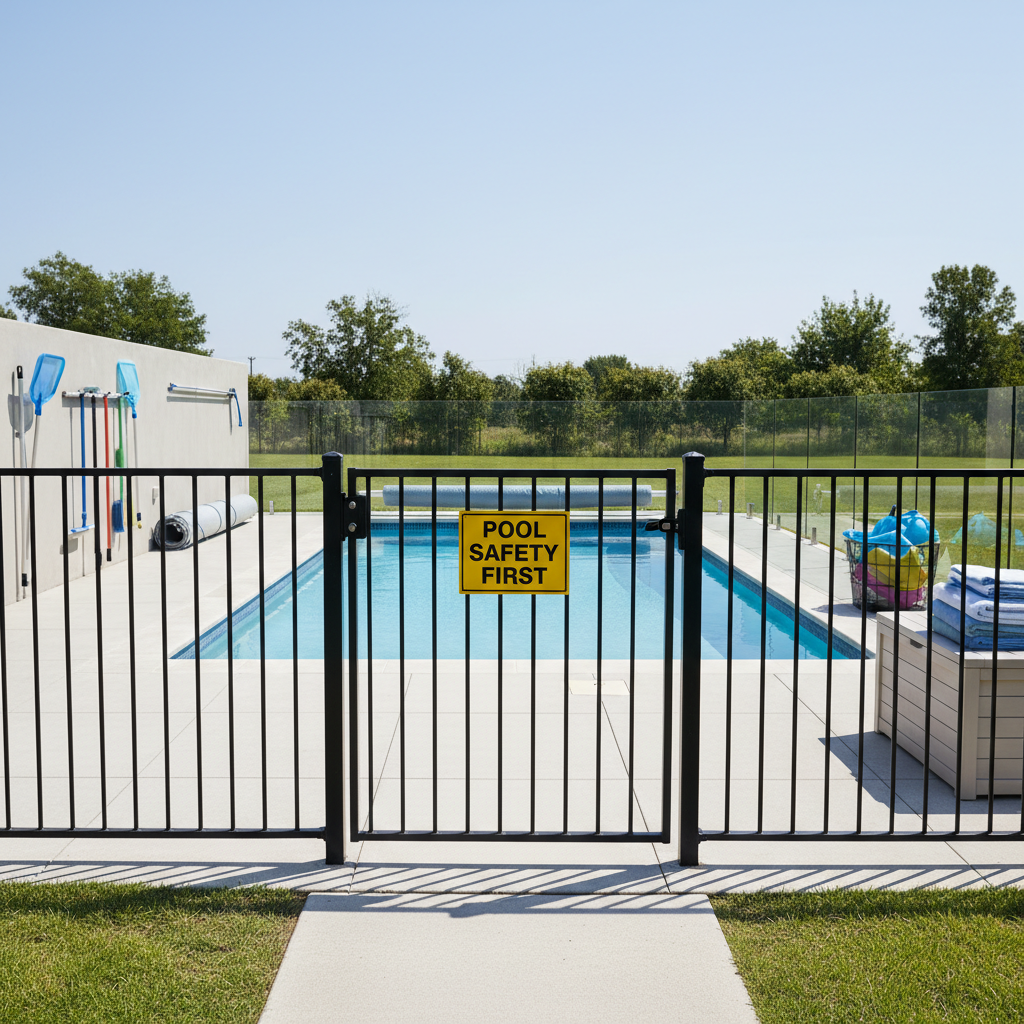
Beyond the sensory benefits of a familiar environment, the decision to choose home-based instruction is grounded in critical safety data. According to the Royal Life Saving National Drowning Report 2024, swimming pools remain the most common location for drownings among children aged 0 to 4 in Australia. The statistics show a concerning trend regarding how these incidents occur, frequently involving a child accidentally falling into the water when supervision lapses or barriers fail. Research indicates that 38% of these tragedies in home pools occurred because of a faulty gate or fence, while another 24% involved a gate being propped open.
Given that the home environment represents the highest statistically significant risk for young children, it is the most logical setting for aquatic education. By learning to swim at home, a child develops a direct, practical understanding of the specific water boundaries they interact with every day. While public aquatic centres feature standardised depths and long, straight lanes, they do not replicate the unique architecture of a residential pool. A child who learns in a public lane may not instinctively know how to navigate the specific obstacles of their own backyard.
At Your Pool Swim School, we prioritise teaching students how to manage the exact geography of their own pool. This includes identifying the location of safety ledges, feeling the height of the first step, and recognising the transition point where the floor slopes toward the deep end. During personalised swimming lessons, we can practise specific escape routes, ensuring each child knows exactly which ledge or step is closest if they were to find themselves in the water unexpectedly.
This contextual knowledge creates a safer domestic environment. When a child understands the physical limitations and exit points of their own pool, the transition from 'swimming as a sport' to 'swimming as a survival skill' becomes much more effective. If you are ready to prioritise this targeted safety training, you can contact us to book a session that focuses on your specific pool layout. Training in situ ensures that the skills learned are immediately applicable to the environment where they are needed most.
The Hidden Downsides of Large Public Swim Centres
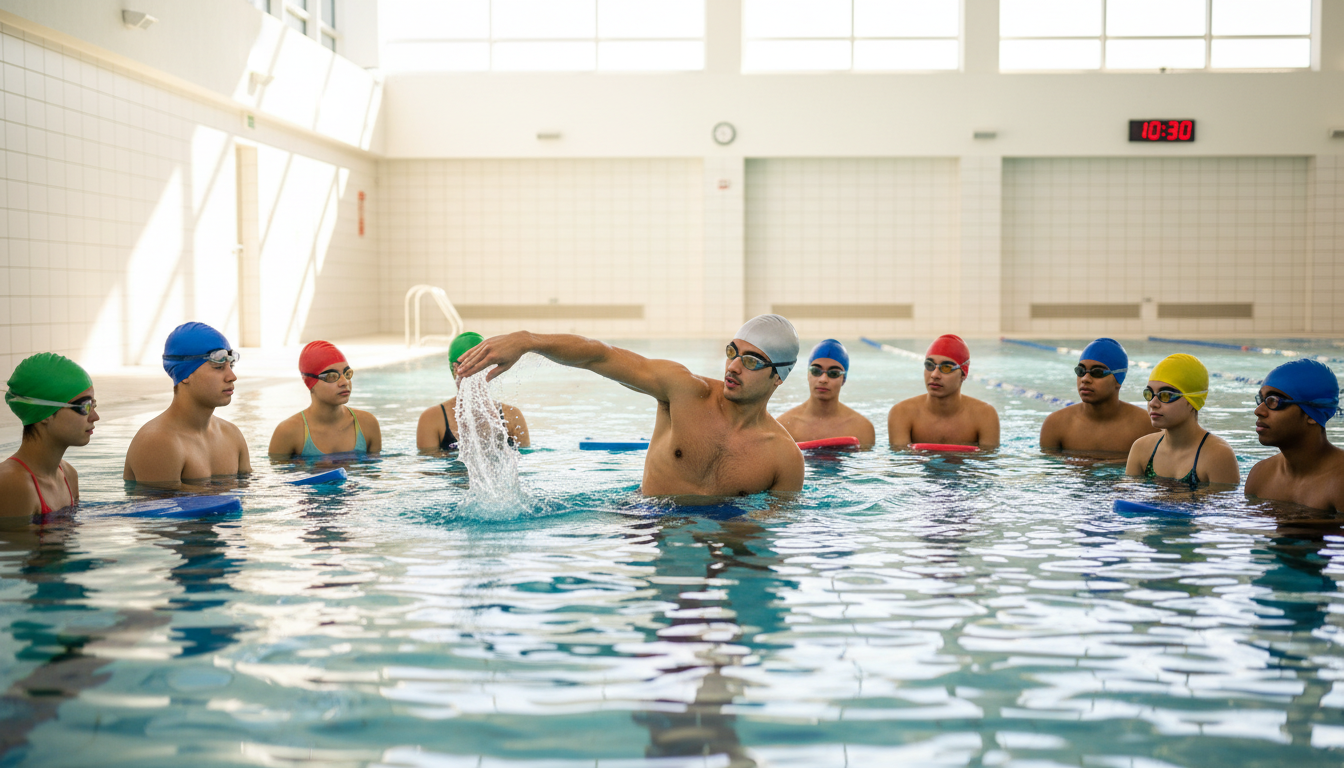
While the safety benefits of a private environment are clear, the structural limitations of large aquatic centres often go unexamined until a parent is in the thick of a term. The most significant drawback is the student to teacher ratio. In a typical public class, one instructor manages four to six children simultaneously. This means that in a thirty minute session, your child may only receive five to seven minutes of direct, hands-on instruction.
Public facilities also struggle with environmental control. It is common to see three to five different classes operating in adjacent lanes, creating a wall of noise that forces instructors to raise their voices. This creates a high distraction environment where children spend more time watching other groups than focusing on their own skills. Hygiene is another factor where home pools excel. A residential pool is managed by the owner for a single family; whereas public water systems process hundreds of swimmers daily, increasing exposure to waterborne pathogens despite industrial chemical treatments.
For parents in the Albury Wodonga region, the logistical burden of public lessons contributes to commute fatigue. The process involves packing heavy gear, fighting for parking at busy local hubs, and navigating cramped, wet change rooms with a shivering toddler. When learning to swim at home, these stressors are eliminated. The transition from the living room to the pool deck takes seconds, allowing both parent and child to remain calm and focused on the personalised swimming lessons ahead. To simplify your family's routine, you can contact us to book a time that bypasses the public pool rush.
Customised Education: Personalised Attention vs. One Size Fits All
In large aquatic centres, instructors typically follow a rigid, pre-defined curriculum designed to move groups through a checklist of skills. This approach often ignores the day-to-day fluctuations in a child's temperament or physical state. When groups of students share a lane, the teacher cannot pause the lesson to address one child's specific fear or accelerate another child's sudden burst of confidence. The pace is dictated by the group average, which can leave some children bored and others feeling overwhelmed.
At Your Pool Swim School, our methodology prioritises the individual student over a fixed syllabus. By learning to swim at home, your child benefits from an instructor who can pivot in real time, often within a small group of family or friends who are learning together. If a student arrives at the pool deck feeling particularly adventurous, we can immediately shift the focus toward more challenging milestones, such as independent propulsion or diving for objects. Conversely, if a child is fatigued or struggling with a specific coordination task, the lesson adapts to prioritise gentle buoyancy exercises and confidence building.
This level of personalised swimming lessons ensures that no time is wasted on redundant drills that the child has already mastered. We focus on the specific mechanical needs of each learner, whether that involves refining a kick or mastering rhythmic breathing. Instead of waiting for a term or assessment date to end to move up a level, a student advances the moment they demonstrate competency. You can contact us to book a session that respects each child's unique learning curve and maximises their time in the water.
Practical Tips for Success when Learning to Swim at home
Maximising the benefits of learning to swim at home requires a small amount of intentional preparation before the instructor arrives. The most critical factor for a productive session is water temperature. For young children, a pool that feels slightly cool to an adult can quickly lead to shivering and loss of focus. Use a reliable pool thermometer to ensure the water is between 28 and 32 degrees Celsius. If the water is too cold, the child's body will prioritise heat retention over motor skill development, significantly slowing their progress.
Physical environment management is equally important. Ensure the pool area is clear of floating toys, noodles, or inflatables that might divert a child's attention. A clear water surface helps the student stay focused on the specific drills during their personalised swimming lessons. Additionally, the dynamic between parent and instructor plays a vital role in progress. While it is tempting to intervene, children progress fastest when they see their parents supporting the instructor's boundaries from the sidelines. By maintaining a quiet, encouraging presence, you reinforce the teacher's authority and help the child feel secure.
To ensure your backyard is ready for professional instruction, Your Pool Swim School recommends having towels and a warm change of clothes ready immediately following the session. If you have questions about your specific pool setup, you can contact us to book a consultation to discuss how to optimise your environment for aquatic success.