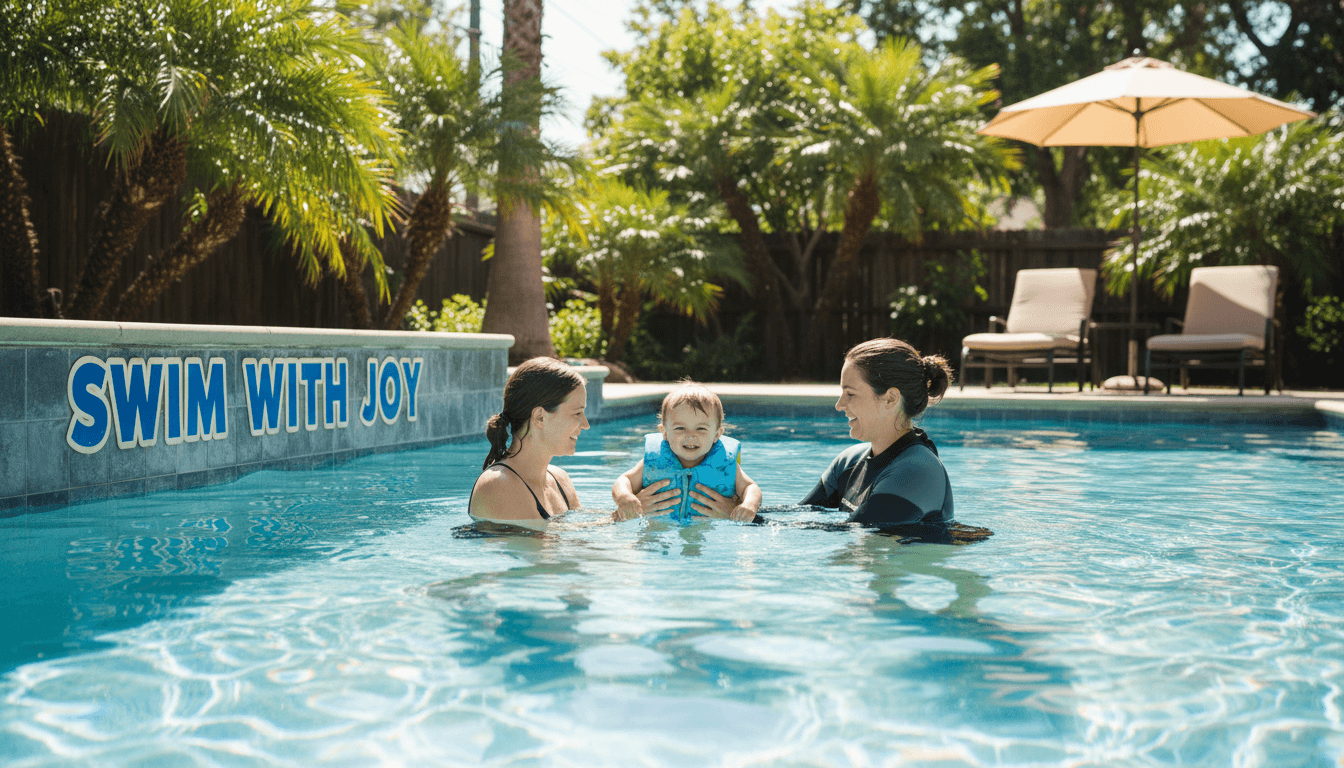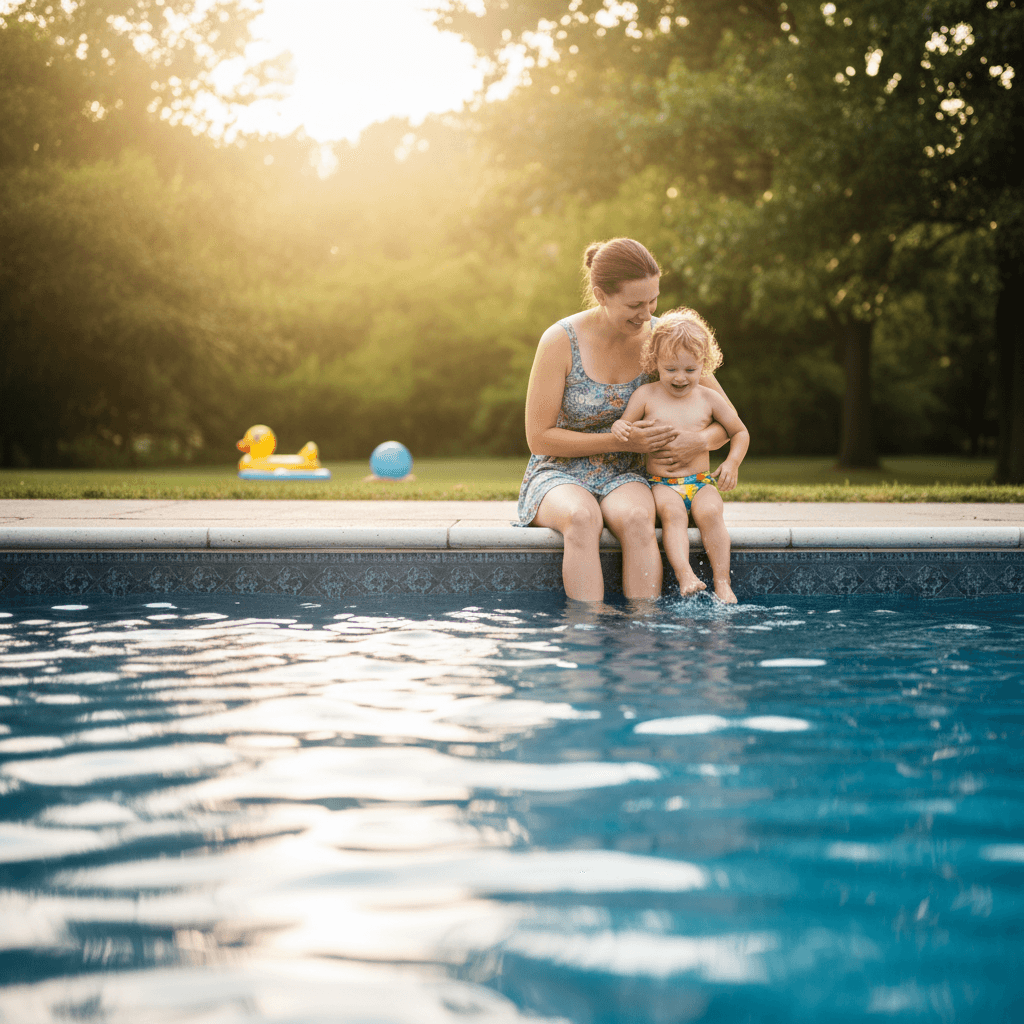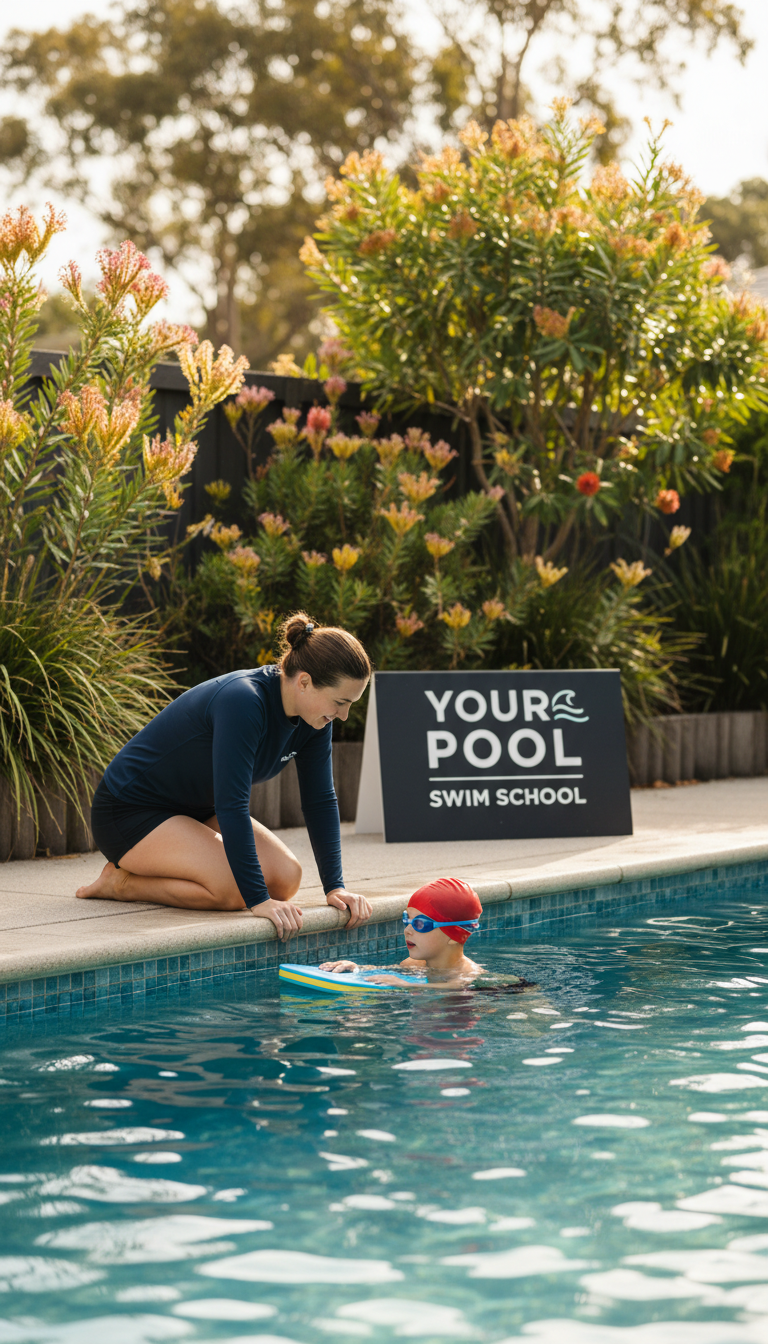
Swimming lessons for people with disabilities are more effective in backyard settings because they provide a private, low sensory environment that reduces distractions and anxiety. This personalised setting allows for warmer water temperatures to soothe muscles; additionally, the quiet atmosphere helps students focus on building strength and mobility at their own pace.
Finding a swimming environment that accommodates unique physical or sensory needs often feels like an uphill battle. Traditional public pools are frequently loud, crowded, and unpredictable; these factors can turn a vital learning experience into a source of stress for students with disabilities. At Your Pool Swim School, we understand that accessibility goes beyond a ramp or a lift; it requires a controlled atmosphere where safety and progress are the primary focus. In this article, we explore how adaptive aquatics and personalised instruction foster essential life skills. You will learn about the specific safety requirements for children with autism, the physical advantages of buoyancy for mobility, and the sensory benefits of water. Finally, we will discuss why the familiar, quiet setting of a backyard pool provides the ideal foundation for developing long-term emotional confidence and social skills in the water.
Understanding Adaptive Aquatics and Personalised Swimming Instruction
Adaptive aquatics refers to swimming instruction that is intentionally modified to meet the unique physical, cognitive, or sensory needs of a learner. This practice involves adjusting teaching techniques, specialised equipment, and communication styles to ensure aquatic education is accessible to everyone, including swimmers with cerebral palsy, autism, down syndrome, and other conditions that affect movement or learning. At Your Pool Swim School, our approach moves beyond the rigid, one size fits all curriculum found in traditional leisure centres. We specialise in providing private, personalised swimming lessons that adapt to the individual rather than forcing the individual to adapt to the program.
By delivering these swimming lessons for people with disabilities directly to backyard pools across the Albury/Wodonga region, we eliminate common environmental barriers like echoing acoustics and crowded change rooms. It is important to distinguish this from hydrotherapy, which is a clinical practice often focused on rehabilitation. Our adaptive lessons focus on functional skill acquisition, water safety, and physical development. Through professional instruction within the comfort of your home, we leverage water's buoyancy to support body weight and reduce joint pressure, allowing students to build strength and coordination safely. Learning about Your Pool Swim School means understanding that every swimmer in the region deserves a tailored path toward water independence in a familiar, low stress setting.
The Critical Importance of Water Safety for Children with Autism
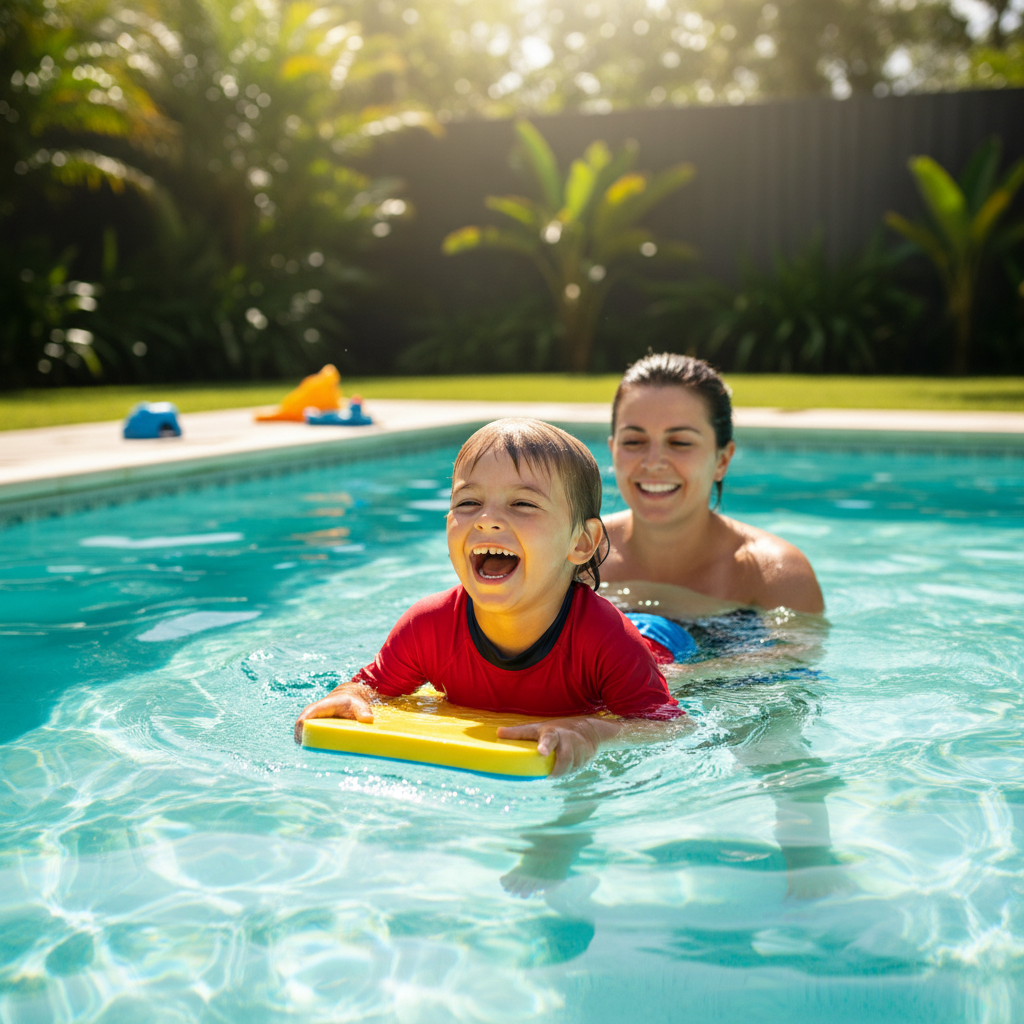
For families navigating an Autism Spectrum Disorder (ASD) diagnosis, water safety is a matter of urgent necessity. Research shows that children with ASD are 160 times more likely to experience a fatal drowning incident compared to neurotypical children. This vulnerability is often exacerbated by wandering behaviours and a deep, sensory attraction to water. In this context, private, personalised swimming lessons are not merely an extracurricular activity; they are a critical safety intervention.
Traditional group lessons often fail this demographic because public pools are sensory minefields. The high pitched blast of a lifeguard's whistle, the booming echoes off concrete walls, and the chaotic splashing of dozens of other swimmers create a state of sensory overload. When a child is overwhelmed by their environment, their brain cannot effectively process new instructions or develop the muscle memory required for water survival. The focus shifts from learning to simply coping with the noise.
Moving the instruction to a private backyard pool fundamentally changes this dynamic. By eliminating the distractions of a public leisure centre, the student can focus their entire cognitive energy on the instructor and the water. Without the pressure of a crowd or the roar of background noise, we can teach life saving water skills in a way that respects the student's sensory threshold. This quiet, controlled environment ensures that safety protocols, such as finding the pool edge or maintaining breath control, become second nature rather than sources of anxiety.
Physical Benefits: Building Strength and Mobility through Buoyancy
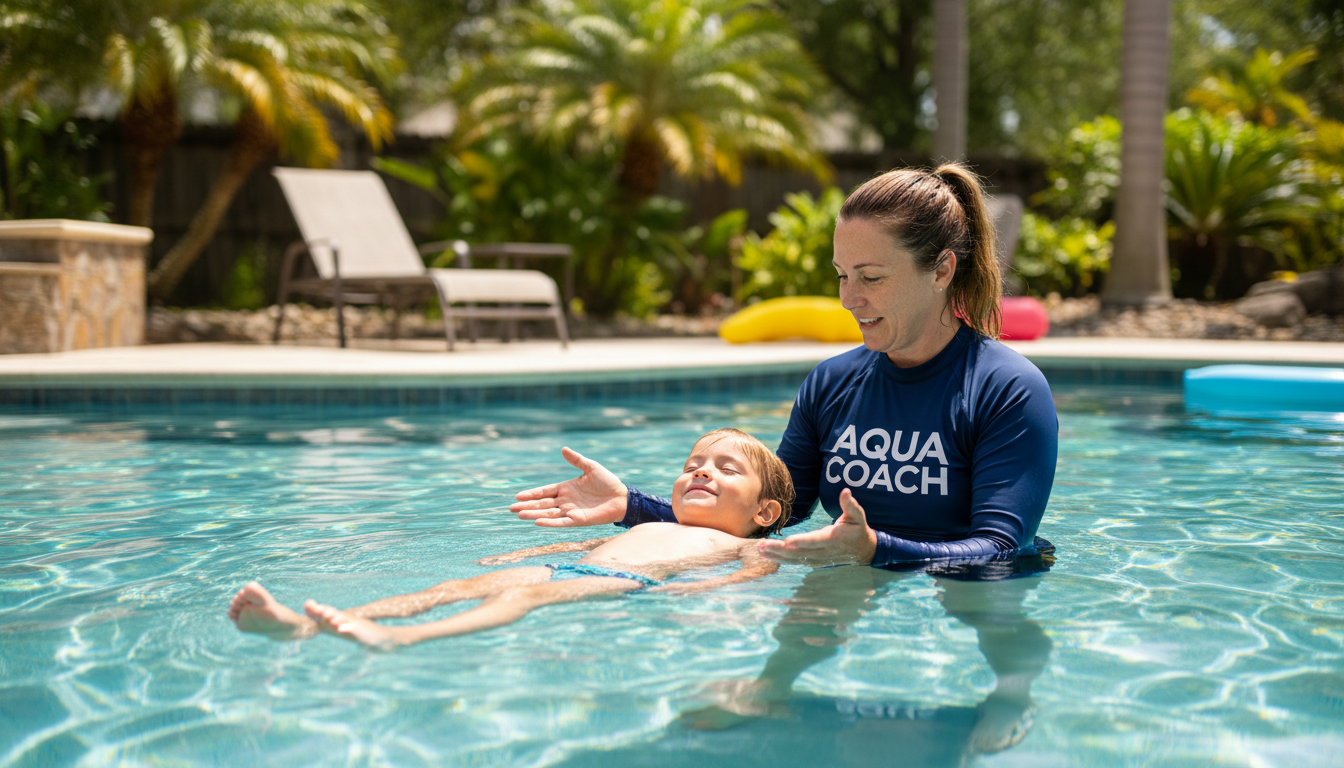
Beyond the crucial aspects of water safety and sensory management, the physical properties of the aquatic environment offer unique advantages for building strength and improving mobility. When a student enters the pool, buoyancy immediately offsets the effects of gravity, supporting up to 90 percent of their body weight when submerged to the chest. This weightlessness significantly reduces mechanical stress on joints and bones, enabling a range of motion that is often difficult or painful to achieve on land. For students participating in swimming lessons for people with disabilities, this buoyancy allows them to practice reaching, kicking, and rotating their torso without the high-impact risks associated with traditional physical activities.
While buoyancy provides the necessary support, the natural resistance of water acts as a gentle, multi-directional weight machine. Because water is significantly denser than air, every movement requires the muscles to work against a constant, even pressure. This build-up of muscle tone happens safely, as the resistance is proportional to the effort the student applies. Over time, this leads to measurable improvements in gross motor skills and cardiovascular endurance. Furthermore, because water is an unstable medium, a student must constantly engage their trunk to remain upright or level. This continuous engagement strengthens the core and improves posture, providing the physical foundation necessary for better balance outside the pool. For swimmers with cerebral palsy, this buoyant environment is especially valuable, as it supports the body while reducing spasticity, allowing movement patterns to be practised more freely than on land.
For residents in the Albury/Wodonga region, these physical gains are most effectively realised when the student feels physically and emotionally secure. Having a mobile instructor provide professional instruction within the comfort of your home ensures that the student is working in a familiar environment. In many cases, backyard pools can be heated to a specific, comfortable temperature, which is vital for students with high muscle tone or spasticity, including those living with cerebral palsy. Warm water helps to relax tight muscles and reduce stiffness, making the session more productive than it would be in a cooler, deeper public lane. This "home court advantage" allows the body to stay relaxed, ensuring that the focus remains on building the strength and coordination needed for aquatic independence.
Sensory Processing and the Calming Effect of Water
The physical relaxation provided by warm water is closely linked to how the brain processes sensory information. For students with ADHD, anxiety, or sensory processing disorders, the water serves as a unique therapeutic tool. When submerged, the body experiences hydrostatic pressure, a gentle and consistent force exerted by the water on every inch of the skin. This pressure acts like a weighted blanket for the nervous system, providing the deep touch input necessary to lower cortisol levels and regulate emotional states.
This calming effect is vital for improving proprioception, or spatial awareness. Many students with sensory needs struggle to understand where their limbs are in relation to their core. The constant tactile feedback of the water helps the brain map the body more accurately. In a crowded public facility, this benefit is often drowned out by the high sensory input of shouting crowds, piercing whistles, and chaotic splashing. By choosing swimming lessons for people with disabilities that take place in a quiet backyard, families ensure that the student is not fighting against environmental noise while trying to learn.
A private, one on one environment enables the instructor to modulate their teaching style in real time. Unlike a loud public class where a teacher must raise their voice to be heard over the echoes, professional instruction within the comfort of your home allows for a hushed, focused dialogue. The instructor can adjust their volume, slow down their demonstrations, and tailor their language to match the student’s specific sensory threshold. This controlled approach prevents sensory overload, allowing the student to remain calm, engaged, and ready to absorb new skills.
The Backyard Advantage: Why Home Based Lessons Beat Public Pools
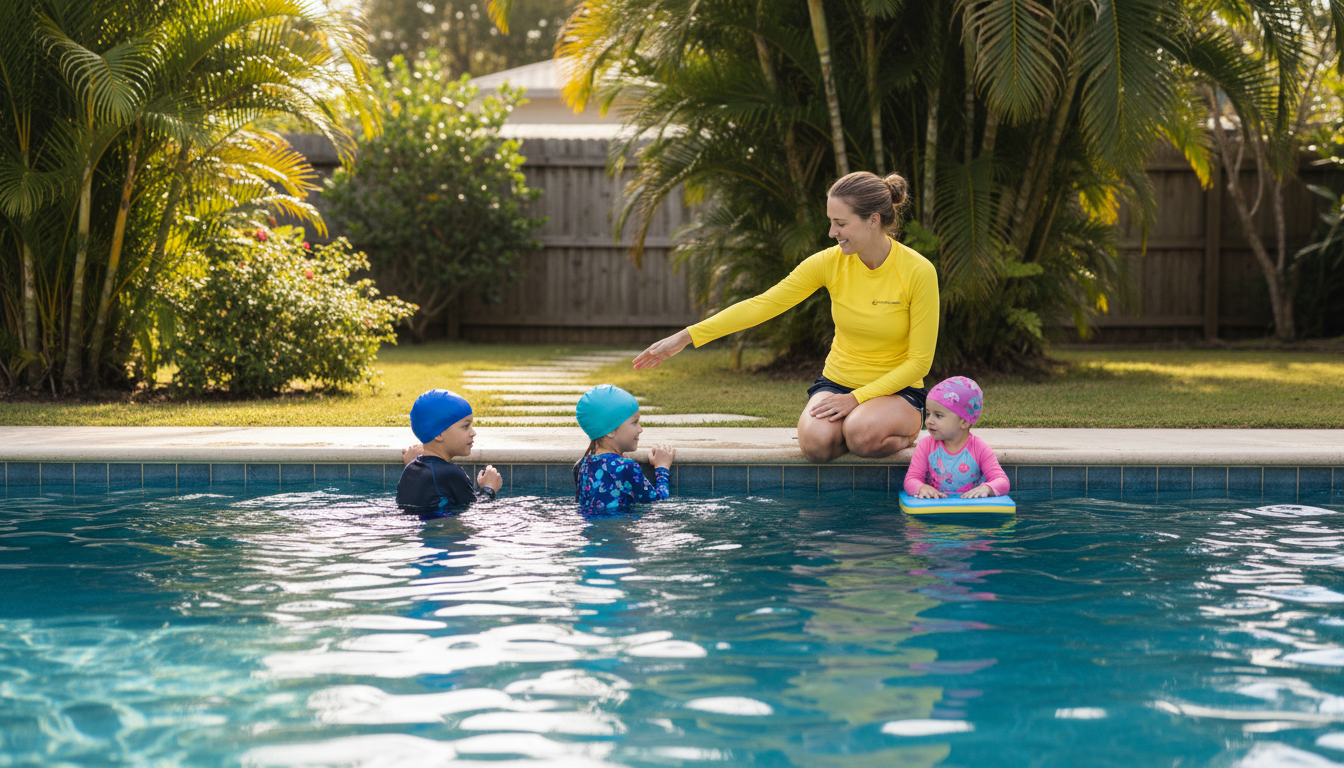
The transition from a car seat to a loud, humid pool deck is often enough to trigger a meltdown or sensory shutdown before a lesson even begins. For families in suburbs like Lavington, Thurgoona, or West Wodonga, the commute to a central public facility involves navigating traffic and crowded parking lots, adding layers of stress for both the parent and the student. By choosing private, personalised swimming lessons delivered to your door, the entire transition period is bypassed. The student moves from their living room to their own backyard, remaining in a regulated state that is conducive to learning.
This "home court advantage" is the most significant differentiator for swimming lessons for people with disabilities. In a public pool, the presence of onlookers can create intense performance anxiety, particularly for students who may move or communicate differently. At home, the lack of an audience allows the student to take risks and fail safely without judgement. Furthermore, instruction utilises the student's own environment. If a student has learned to exit the water using their specific pool steps or a familiar hoist, they have gained a functional life skill they can use every day.
Practical skill retention occurs faster when the brain identifies the environment as safe and permanent. When professional instruction within the comfort of your home is the standard, the student does not have to translate skills from a deep public lane to their shallow backyard pool. They learn exactly where the water level sits against their own pool tiles and how to navigate their specific stairs. This consistency builds a bridge between the lesson and daily life, ensuring that water safety becomes an integrated part of their home routine rather than a disconnected weekly event.
Social Skills and Emotional Confidence in the Water
The emotional transformation that occurs when a student achieves aquatic independence is profound. For many individuals participating in swimming lessons for people with disabilities, the initial hurdle is not just the water; it is the belief that their body or mind might not be capable of mastering a complex task. By achieving milestones like breath control or independent floating in the familiar territory of their own backyard, students develop a tangible sense of agency. This "can do" attitude often serves as a catalyst for broader personal growth, providing a psychological win that ripples into other areas of life, such as improved participation in school or social gatherings within the local community.
Trust is the foundation of this progress. In a public setting, a rotating roster of instructors or a noisy environment can make it difficult for a student to feel secure. Our mobile model focuses on private, personalised swimming lessons where the student works with the same expert instructor every session. This consistency fosters a deep bond, allowing the instructor to push the student's boundaries gently while maintaining a sense of absolute safety. When a student trusts their mentor, they are more willing to attempt challenging skills, which directly boosts their self-esteem.
Furthermore, these sessions provide a controlled environment to practise essential social behaviours. Students learn to follow multi-step instructions, respect physical boundaries, and cooperate with a mentor. These skills are often easier to acquire without the performance pressure of a peer group. Once mastered in the pool, this improved social cooperation and emotional resilience become tools the student uses daily, whether they are navigating a classroom in Thurgoona or a playground in Wodonga. This holistic development is why about Your Pool Swim School prioritises the emotional journey as much as the physical technique, ensuring professional instruction within the comfort of your home translates to real-world confidence.
Choosing a familiar, private environment can make a world of difference for swimmers with unique needs. By removing the distractions of a public facility, students can focus on developing their skills with confidence and comfort. If you want expert help tailored to your specific situation, our swim instructor, Debra, is here to support your goals. You can explore our Lessons to see how we bring personalized instruction directly to your home. This approach ensures a safe, effective, and calm learning experience for everyone involved.