Effective backyard pool safety in the Australian summer requires maintaining secure, compliant fencing and ensuring constant adult supervision whenever children are near water. Given that over half of drowning deaths in children under five occur in private pools, families must also prioritise regular gate maintenance and emergency CPR training to prevent tragedies.
As the Australian summer heat intensifies, the backyard pool becomes the heart of the home, yet it often brings a quiet layer of anxiety for parents and homeowners. The shift from a refreshing dip to a high-stakes situation can happen in seconds, and constant supervision can feel overwhelming when the house is full of holiday guests. While a sturdy fence is the legal baseline, true safety requires a multi-layered approach that covers both the physical environment and the swimming skills of everyone who uses the pool. In this guide, I break down the key parts of a secure summer. You will learn how to carry out a thorough physical safety check, why active supervision matters far more than simply being nearby, and how mobile swimming lessons offer a unique advantage in familiar waters. I also share a simple roadmap for building a lasting safety culture so your family stays protected all season long.
Understanding the Risks: National Drowning Report Statistics for Backyard Pools
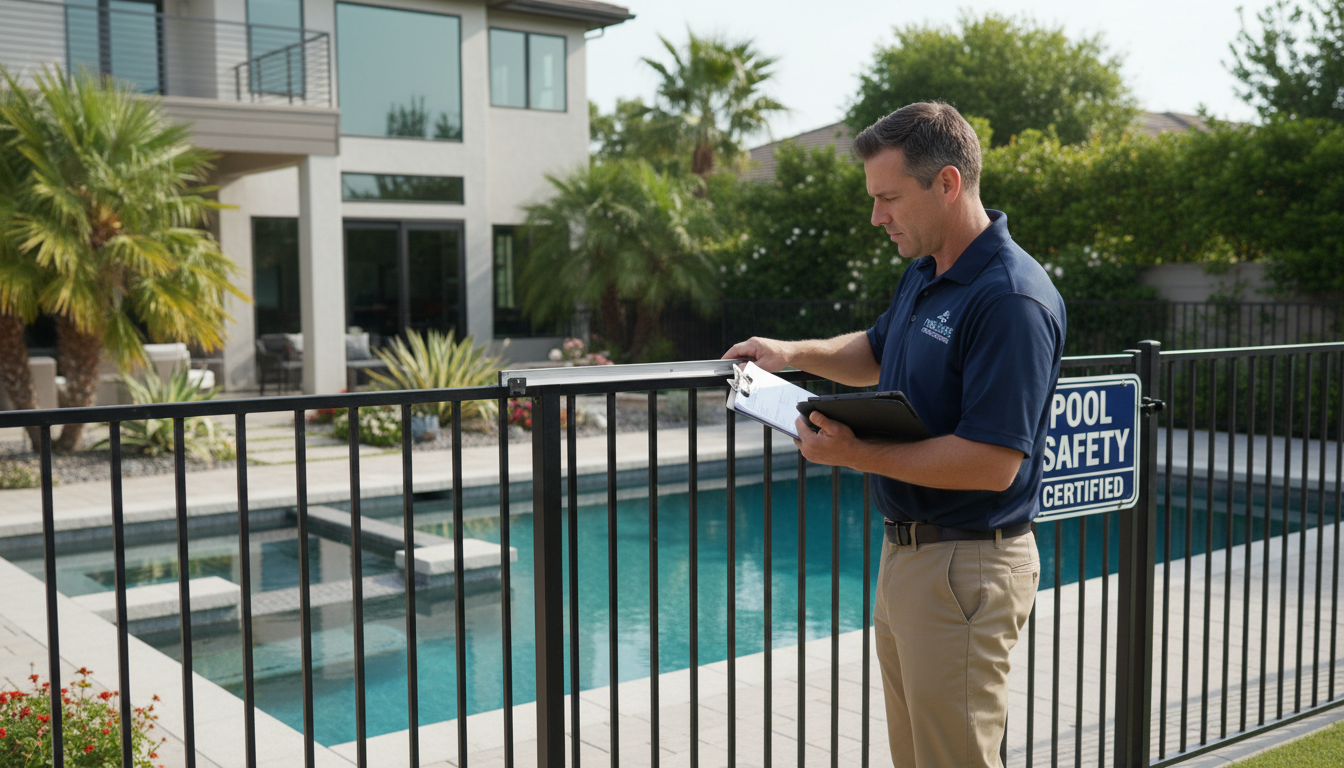
The onset of the Albury Wodonga summer brings a surge in outdoor activity, yet the latest data from the National Drowning Report highlights a persistent concern for homeowners. In the 2025/26 period, Australia recorded 313 drowning deaths. This figure represents a 10% increase compared to the 10-year average, proving that the risk remains high despite growing public awareness. When we look closer at the locations, swimming pools accounted for 41 of these fatalities. Most significantly, 29 of those pool related incidents occurred in private backyard settings rather than public aquatic centres.
For parents of young children, the statistics offer a mix of progress and caution. Drowning deaths among children under the age of five fell to 11 fatalities, which is 39% below the 10-year average. While this downward trend is encouraging, the home environment remains the primary danger zone. A staggering 55% of these toddler fatalities occurred in backyard swimming pools. These numbers demonstrate that even as national averages improve, the private pool remains a high risk area requiring constant vigilance.
Understanding these risks is the first step in creating a safe environment. While drowning is often seen as a distant possibility, the data shows that most pool related tragedies happen in the very places we feel most secure. Including private, personalised swimming lessons in your routine can help reduce these risks by teaching children to navigate their own home environment. From accurate data through to professional mobile swimming lessons, layering your protection is essential for backyard pool safety in the Australian summer. If you have questions about assessing your own pool area, I am always happy to help.
The Physical Safety Check: Preparing Your Backyard for the Heat
While the statistics highlight the risk, a careful physical check of your property provides the first line of defence. Preparing your pool area for the peak of the season involves more than just skimming leaves; it requires ensuring every structural barrier meets current standards.
In the Albury Wodonga region, homeowners must adhere to specific state legislations. Residents under Albury City Council should verify compliance with the Swimming Pools Act 1992, whereas those in Wodonga must follow Victorian regulations regarding mandatory barrier registration and inspections. Before the heat arrives, use this essential safety checklist:
Test the Gate: Gates must be self-closing and self-latching from all open positions. Summer temperatures can sometimes cause gate latch alignment to shift as materials expand.
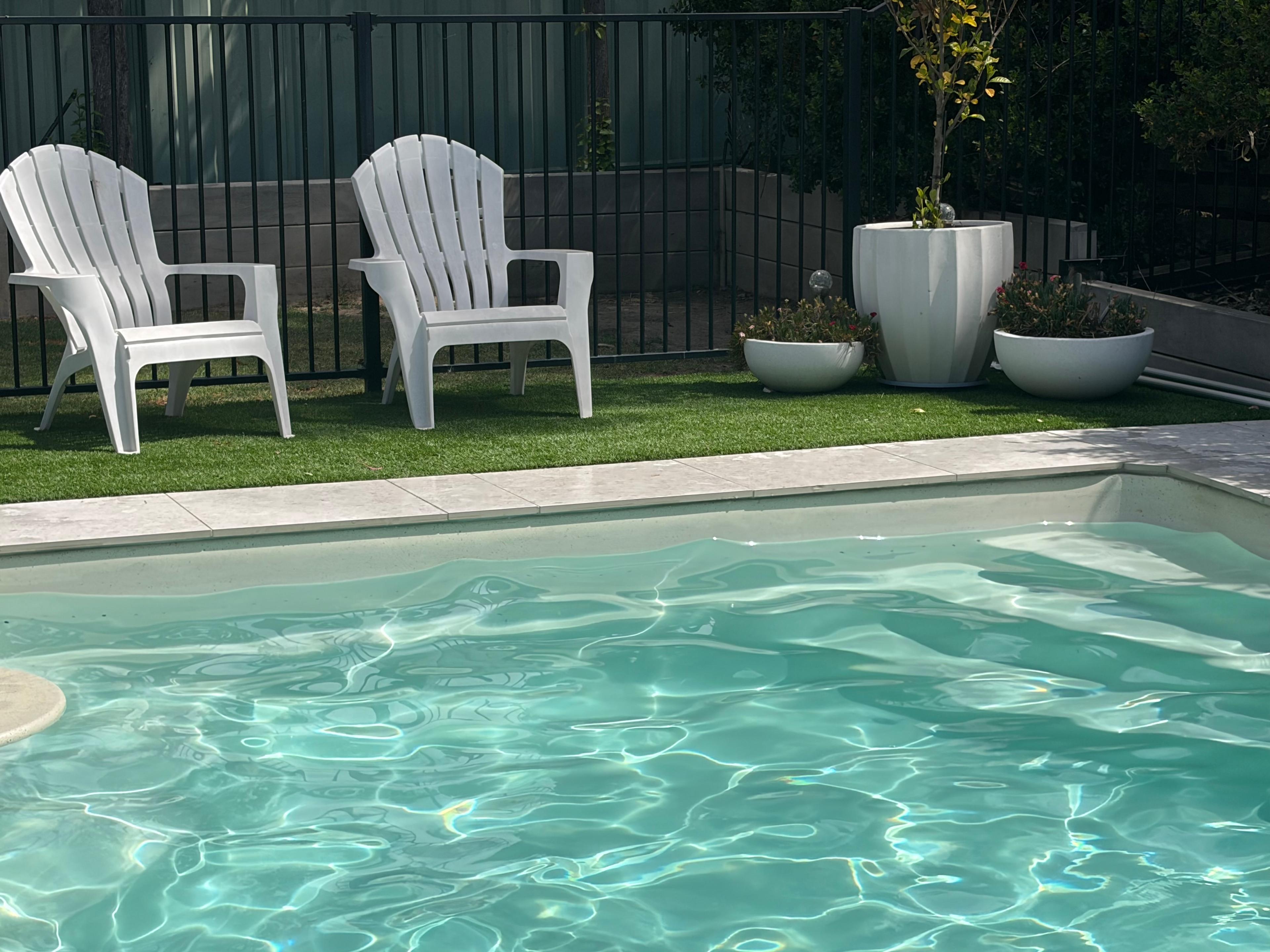
Clear the Non-Climbable Zone: Maintain a 900mm clear area on the outside of your pool fence. Remove any chairs, ladders, or large pot plants that a toddler could use as a foothold.
Check for Gaps: Measure the space under and through the fence to ensure no gaps exceed 100mm.
Monitor Water Clarity: Ensure your filtration system is functioning so the pool floor is always clearly visible. Murky water is a significant hazard that can delay a rescue.
A secure boundary is a vital part of backyard pool safety in the Australian summer. If you have concerns about how your child interacts with your specific pool environment, you are welcome to contact me to discuss how private, personalised swimming lessons can complement your physical safety measures.
Active Supervision: Moving Beyond Just Being Nearby
Physical barriers are essential, but human error remains the most common factor in aquatic incidents. Effective supervision requires a shift from passive presence to active engagement. Passive presence, such as sitting nearby while checking a phone or tending to a backyard BBQ, creates a false sense of security. In reality, drowning is almost always silent and can occur in less than 20 seconds. The cinematic myth of splashing and shouting rarely occurs in real life; this makes constant visual contact non-negotiable for backyard pool safety summer Australia.
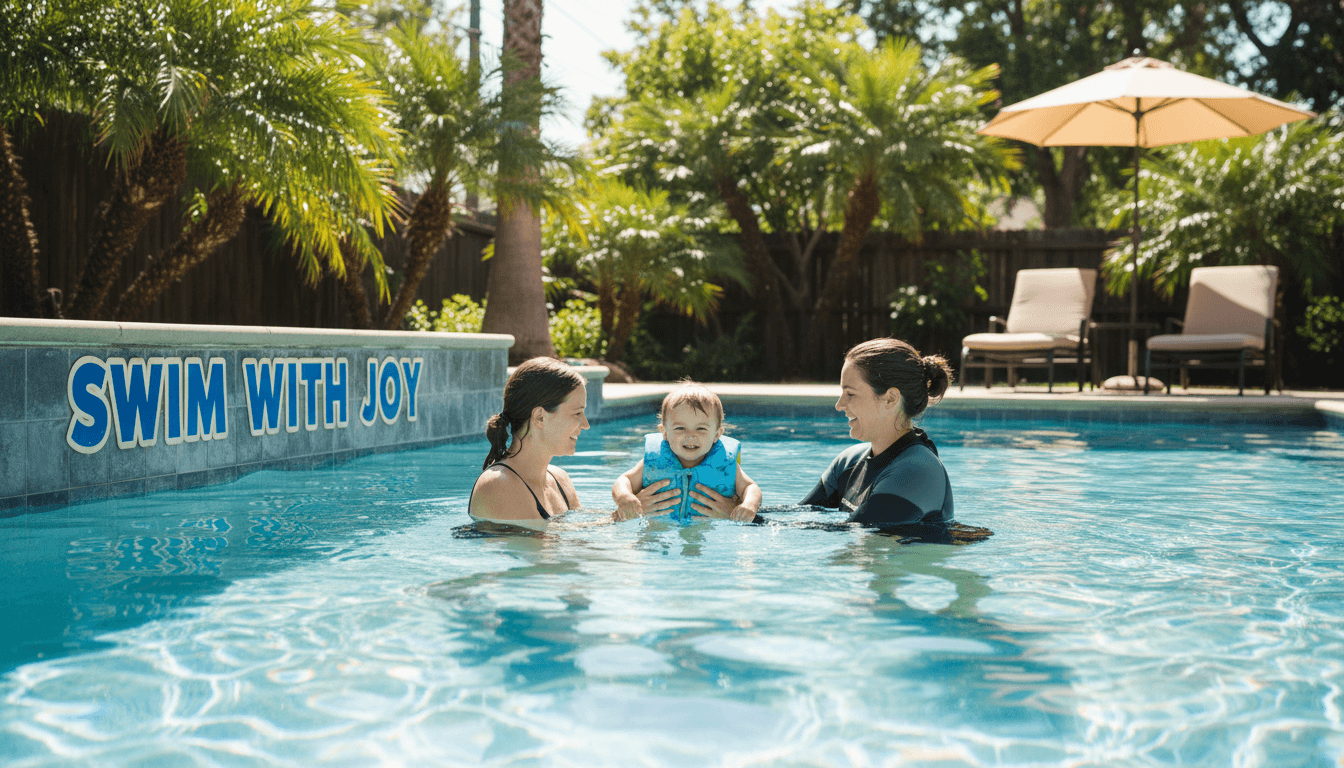
During social gatherings in Albury Wodonga, distractions are at their peak. I recommend using a Designated Water Watcher system. This means appointing one adult to be solely responsible for the pool, free from mobile phones or social conversation, for a set period of 15 to 20 minutes before rotating. This prevents the fatigue that naturally builds over long afternoons by the water. When children have completed private, personalised swimming lessons, they have better safety awareness and skill, but this never replaces the need for a watchful adult. If you would like to learn more about how mobile lessons can help your child understand water boundaries in their own environment, I am happy to talk it through with you.
Why Mobile Swimming Lessons Are a Safety Game Changer
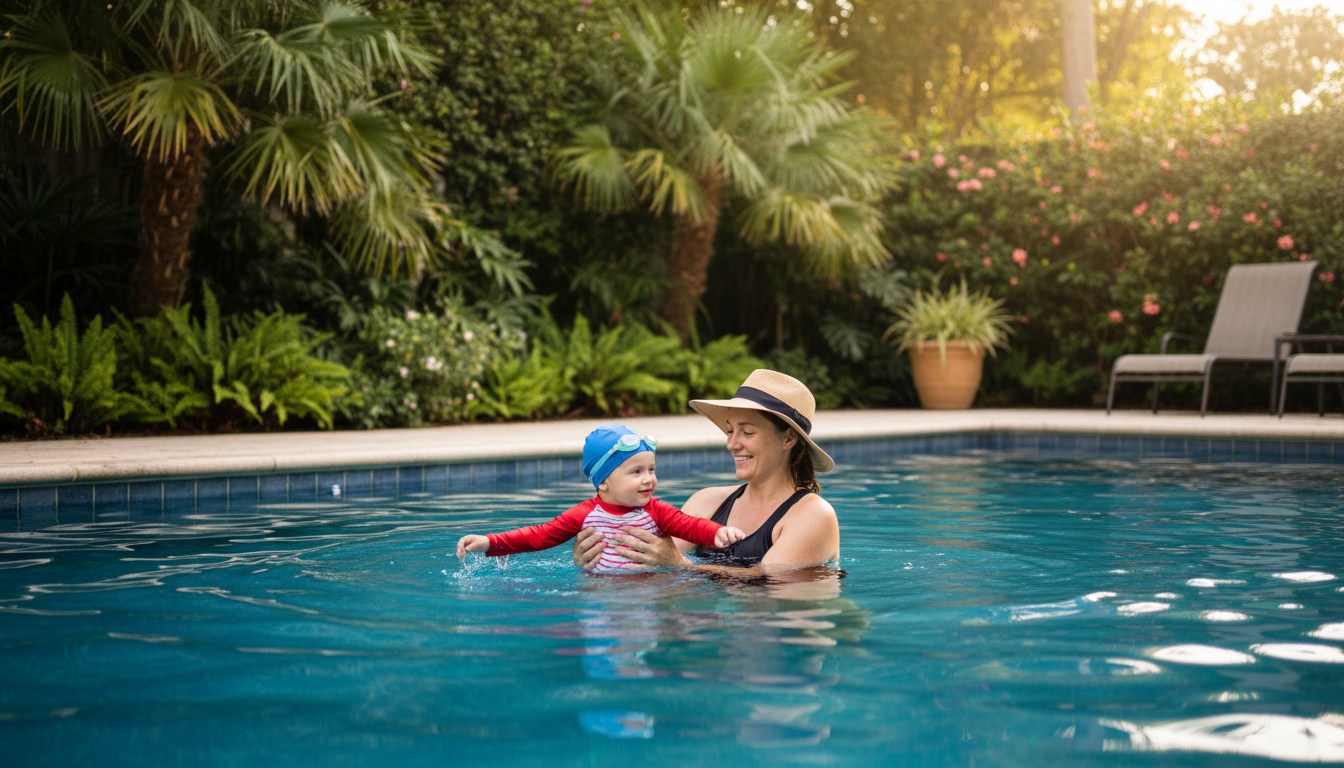
Public pools provide a uniform environment that rarely mirrors the reality of a home setting. For many children, moving from a large leisure centre to their own backyard causes a noticeable change in behaviour and spatial awareness. Children often feel a greater sense of comfort at home, which can sometimes lead to overconfidence or a lack of caution around their own pool features. This behavioural shift is why mobile swimming lessons are such an important part of a complete safety strategy.
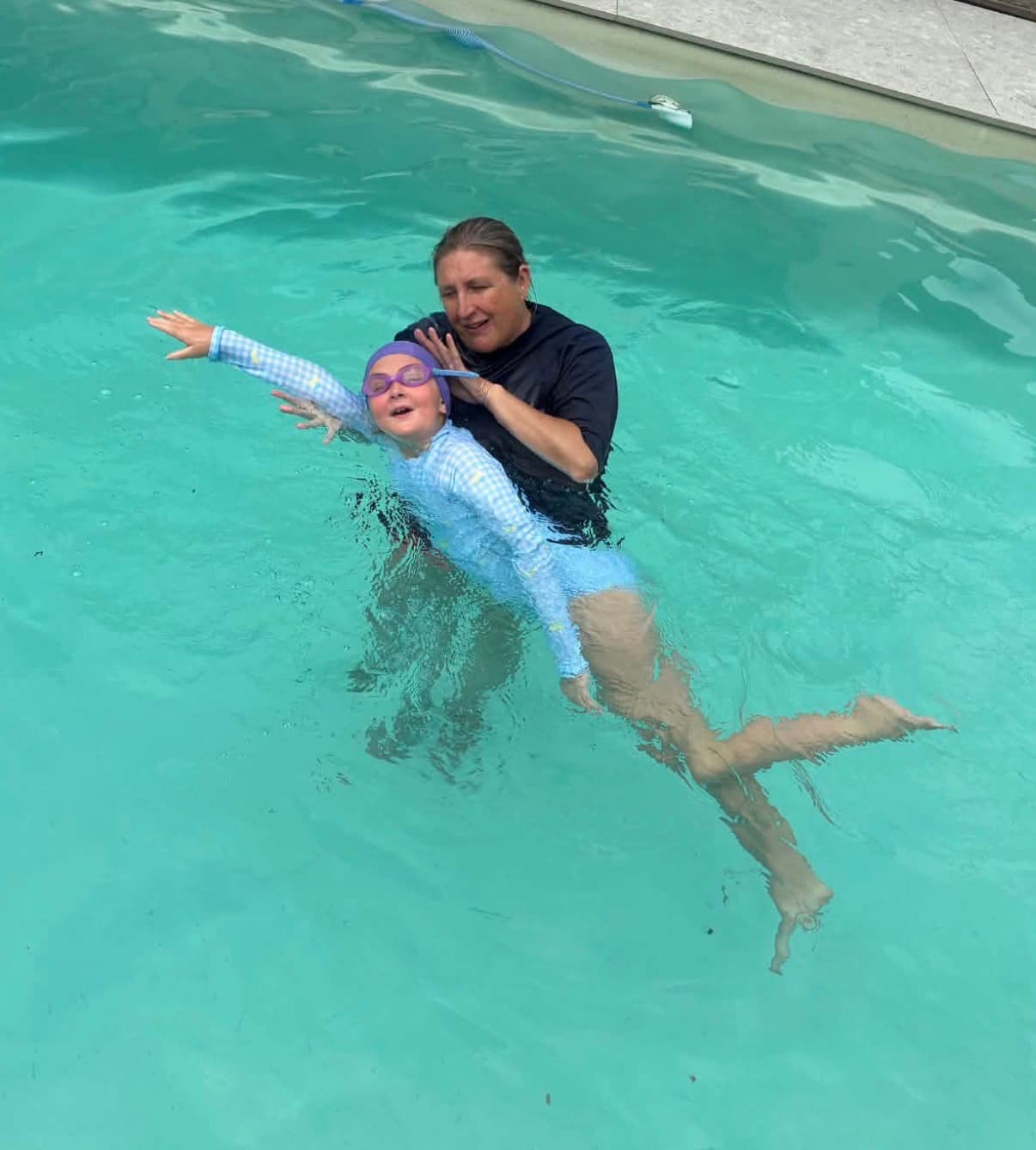
When a child learns to swim in their own environment, they master the unique layout of the water they use every day. This includes learning exactly where the deep end begins to drop, locating the position of the steps or swim-outs, and understanding how to move safely along the edge of the pool. In a moment of panic or an accidental fall, a child will instinctively look for the landmarks they recognise. By providing private, personalised lessons in Albury and Wodonga backyards, I make sure those instincts are practised and reliable in the very environment where the risk exists.
The convenience of lessons at home also supports better learning during the intense heat of the local summer. Traditional lessons often involve a stressful commute and a busy change room, which can leave a child tired or overstimulated before they even reach the water. Lessons at home remove these barriers, allowing the child to focus fully on building their skills. This local approach adds a valuable layer to backyard pool safety in the Australian summer, as it bridges the gap between general swimming ability and the survival skills needed in the most likely location of an incident. If you want to tailor your child's skills to your specific pool layout, get in touch to arrange a consultation.
Managing Swimming Lessons and Kids in the Australian Heat
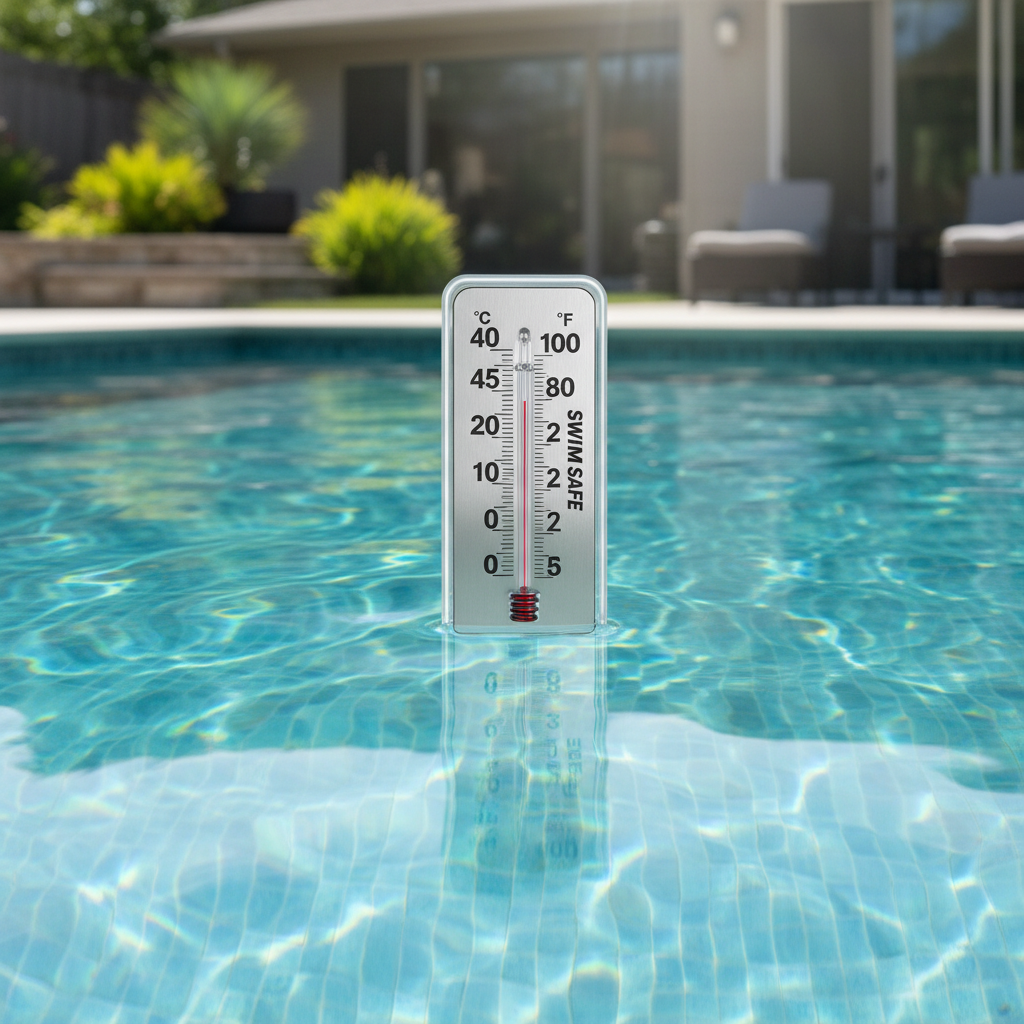
Managing the physical toll of the Albury Wodonga sun is as critical as the instruction itself. When scheduling swimming lessons for kids, heat must be a primary consideration. Exposure is intensified by UV rays reflecting off the water surface, so I recommend long sleeved UPF 50+ rash vests and broad spectrum sunscreen applied at least 20 minutes before entry. Hydration is equally vital. Children often do not perceive thirst while in the water, but they are still losing fluids through exertion. Keeping a water bottle on the pool coping helps them stay hydrated throughout their private, personalised swimming lessons.
The logistics of a mobile service offer a real advantage for heat management. At a public aquatic centre, the moments after a lesson often involve walking across a hot car park and a long drive home in a sun-warmed vehicle, which can trigger heat exhaustion and irritability in young children. With a mobile lesson, children can move straight from the water into the shade or air conditioning of their own home. This also helps parents, who can watch from a cool spot indoors rather than a sweltering public pool deck. Folding these comfort measures into your routine is a practical part of backyard pool safety in the Australian summer. If you would like advice on preparing your pool area for sun safety, I would be glad to help you plan a summer schedule.
Emergency Preparedness: The Steps Every Pool Owner Needs to Know
Preparation extends beyond physical barriers and supervision; it requires a rehearsed response plan for the unexpected. A durable, weather-proof CPR chart must be permanently displayed within the pool enclosure, providing clear, step-by-step instructions that can be followed under extreme pressure. While active supervision requires you to keep devices out of sight to avoid distraction, a charged phone should remain within reach specifically for emergency calls. Ensure every family member, including older children, understands how to unlock the device and dial triple zero (000) correctly.
A strong approach to backyard pool safety in the Australian summer starts with the understanding that no single measure is foolproof. While private, personalised swimming lessons equip children with vital survival skills and water confidence, they are just one layer of a broader safety plan. That plan should also include secure barriers, watchful supervision, and formal first aid training for every adult in the household. By combining professional lessons with careful emergency readiness, you create a safer aquatic environment for your family. If you need help finding the right safety resources for your home, I am always available for advice.
Building a Safety Culture in Your Own Backyard
Fostering a safety culture starts with open, age-appropriate communication that emphasises respect for the water rather than fear. You should involve your children in creating a simple set of Backyard Pool Rules. These might include staying behind the fence unless an adult is present, no running on wet tiles, and always entering the water feet first. Displaying these rules clearly near the gate helps make safe behaviour the standard for every swim session, rather than an occasional rule.
True aquatic safety relies on building water competence. This concept goes beyond simply moving through the water; it involves a child's ability to spot risks, such as an open gate or a slippery edge, and knowing how to respond if they feel tired or out of their depth. By investing in private, personalised swimming lessons within your own environment, you allow children to practise these safety boundaries in real time. Consistent, professional instruction means backyard pool safety becomes a natural, ingrained habit for the whole family. If you would like to set up these habits at your home, I would love to discuss a tailored approach for your children.
Maintaining a safe pool environment takes a combination of secure fencing, constant supervision, and strong swimming skills. By staying watchful, you ensure summer remains a time of fun and relaxation for your whole family. If you want expert help building your child's water confidence and safety skills, I would be delighted to guide you. See the About page to learn more about how I support local families.