It is the 8th of November, and the cool, wet weather has lingered in Albury Wodonga far longer than anyone expected. You might be tempted to pack away the swim gear and wait for summer, sure that swimming lessons can take a break until the water warms up again. But learning does not only happen in the water. At Your Pool Swim School, we keep teaching out of the pool too, so your child can sign up and keep building skills even while it is cold.
As this unseasonably cool spell stretches on, many families are tempted to trade the pool deck for the comfort of the living room and put swimming lessons on hold. Yet this seasonal pause often leads to a significant regression in vital water safety skills. For many young swimmers, months of progress can vanish during a single winter, which creates a dangerous gap in their survival instincts when the warmer weather inevitably returns. At Your Pool Swim School, we believe learning does not happen only in the water. Our lessons continue out of the pool, so your child keeps building water confidence and safety knowledge even while the water is too cold for comfort.
Why Swimming Skills Fade When the Temperature Drops
In the Albury Wodonga region, the transition from summer to the cooler months often signals a complete stop to aquatic activities. This gap creates a phenomenon known as skill regression. Unlike riding a bike, swimming requires constant engagement with buoyancy and resistance to maintain proficiency. For young children, muscle memory is still developing; without regular reinforcement, the physical mechanics of a stroke or a survival float can quickly deteriorate.
Confidence is often the most fragile element. A child who was swimming confidently in February may experience significant anxiety when re entering the water after a long break. This loss of water feel can turn a competent swimmer back into a beginner within a single season. This regression is not just a matter of technique; it is a matter of safety. A child who loses their confidence is more likely to panic if they accidentally fall into a body of water like the Murray River or a backyard pool.
A common misconception among parents is that if a child is not submerged, they are not learning. Your Pool Swim School is working to change that view. We teach water safety out of the pool too, so progress never has to stop for the weather. Maintaining a schedule of private swimming lessons or mobile swim lessons keeps your child's water safety skills sharp all season long. Don't wait for summer. Contact Your Pool Swim School today to sign up and keep your child learning, even while it is cold.
What are Swim Survival Lessons for Cool and Wet Days?
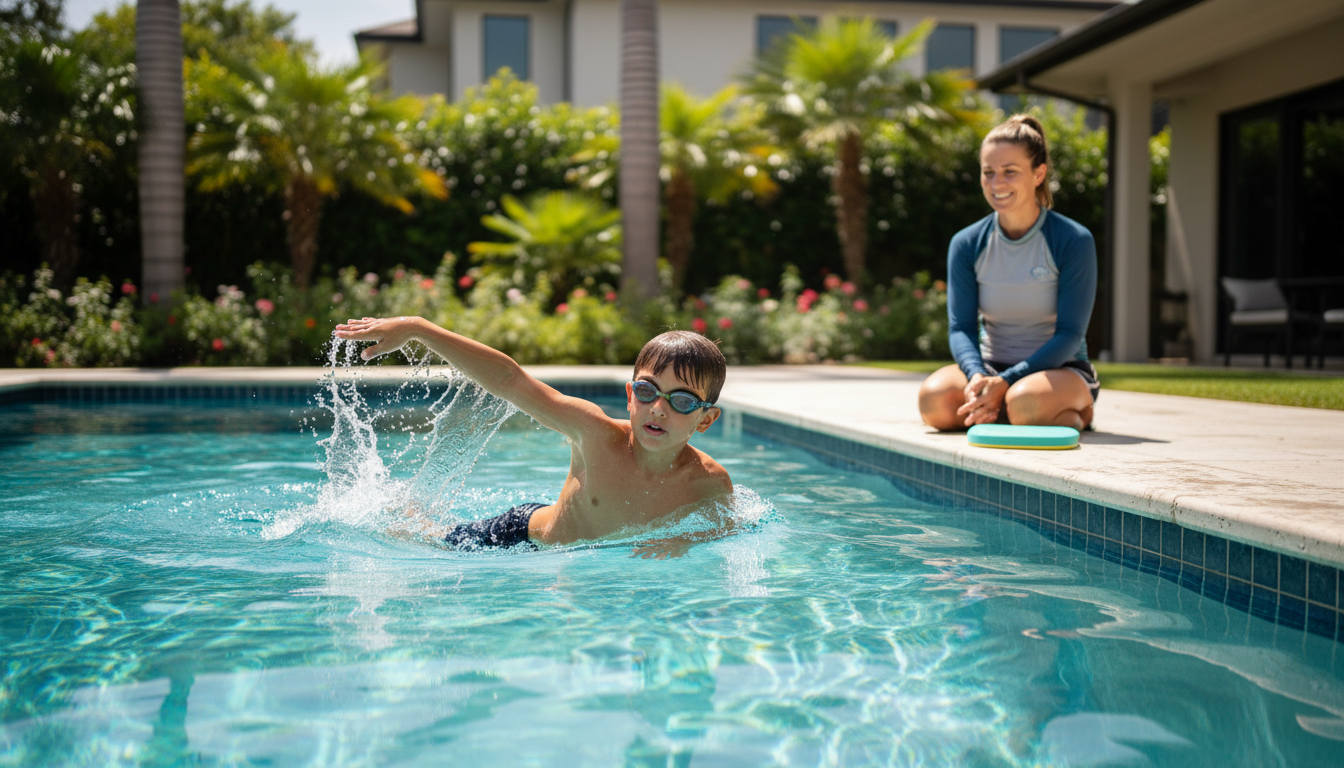
The swim survival lessons cool wet days program is a mobile, land-based water safety curriculum specifically designed for the Albury Wodonga climate. When backyard pools become too cold for comfortable swimming, we simply move the lesson out of the pool. Learning does not stop just because the water is uninviting, and this land-based approach means your child keeps building skills right through the cool, wet weather.
True swim survival is not defined solely by the quality of a freestyle stroke. It is the ability to remain calm, recognize a hazard, and execute a life-saving maneuver under pressure. By removing the barrier of cold water, we can isolate these safety concepts. We teach children to process information, such as identifying a safe exit point or understanding the mechanics of buoyancy, without the immediate distraction of splashing or shivering. This creates a deep-seated mental framework that translates directly to the water when temperatures eventually rise.
Maintaining a consistent schedule is vital for early childhood development, and the cool weather is no reason to pause. Our mobile swim lessons ensure that the routine of a weekly session remains unbroken, because we learn out of the pool as well as in it. For families accustomed to private swimming lessons, the continuity of seeing their instructor every week prevents the psychological reset that often happens after a long hiatus. We use the client's own backyard environment, the very place where a child is most likely to encounter water, to run through land-based drills that reinforce safety habits. This keeps the child's aquatic brain active and prepared, regardless of what the thermometer says.
Essential Dryland Safety Skills for Kids
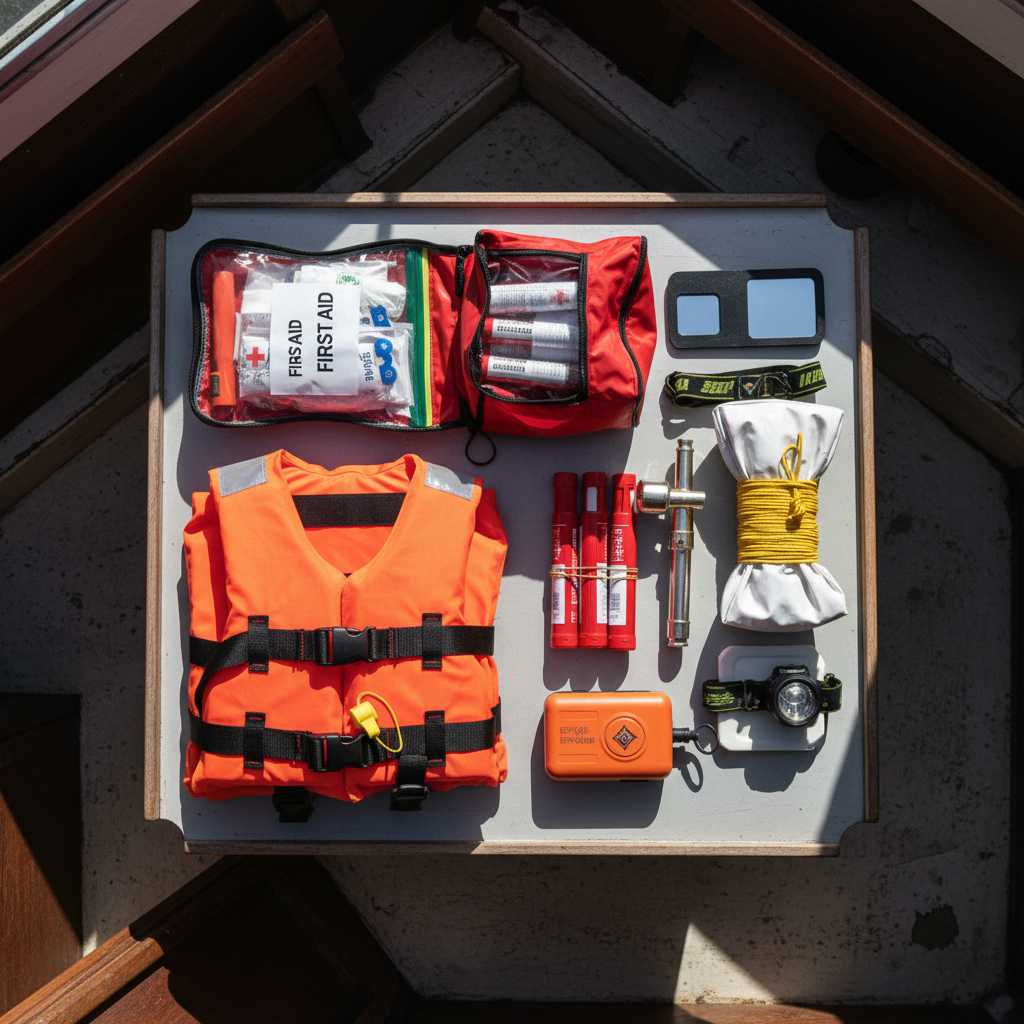
Dryland sessions allow us to break down complex survival maneuvers into manageable, repeatable steps. One of the first protocols we teach is the 'Reach, Throw, Don't Go' rescue technique. Children often have a natural instinct to jump in to help a friend or a pet, but this frequently leads to a double drowning. We use household items, such as a broom handle or a soccer ball, to teach them how to safely extend their reach or throw a buoyant object from a stable position on the bank or pool edge. This establishes a boundary-first mentality that is critical for safety around the Murray River.
Proper lifejacket usage is another cornerstone of our dryland curriculum. Simply owning a lifejacket is not enough; a child must know how to check for a secure fit, ensure all clips are functional, and understand that the crotch strap prevents the jacket from riding up over their face. Practicing this at home during mobile swim lessons ensures that when the family heads to Lake Hume for the weekend, the equipment is used correctly and without a struggle.
Dryland Drills to Maintain Stroke Technique
Mastering survival positions on land is only the first step toward maintaining aquatic proficiency. To ensure a child does not lose their water feel, we integrate technical drills into our mobile swim lessons that mimic the resistance and mechanics of the pool.
We also utilize household furniture, such as a sturdy bench or ottoman, to practice prone flutter kicks. Performing these kicks on land forces the child to engage their hip flexors and maintain pointed toes without the buoyancy of water to keep their legs afloat. This builds the specific muscular endurance needed to prevent the common bicycle kicking habit. For the upper body, we implement swim mimic movements. By slowing down the stroke cycle and focusing on the high elbow catch and the full pull through to the hip, students develop a precise cognitive map of the stroke. These targeted drills during swim survival lessons cool wet days turn abstract technical concepts into concrete physical habits. If you want to see these techniques in action at your home, contact Your Pool Swim School to schedule a private session.
Water Intelligence: Teaching the Why Behind the Rules
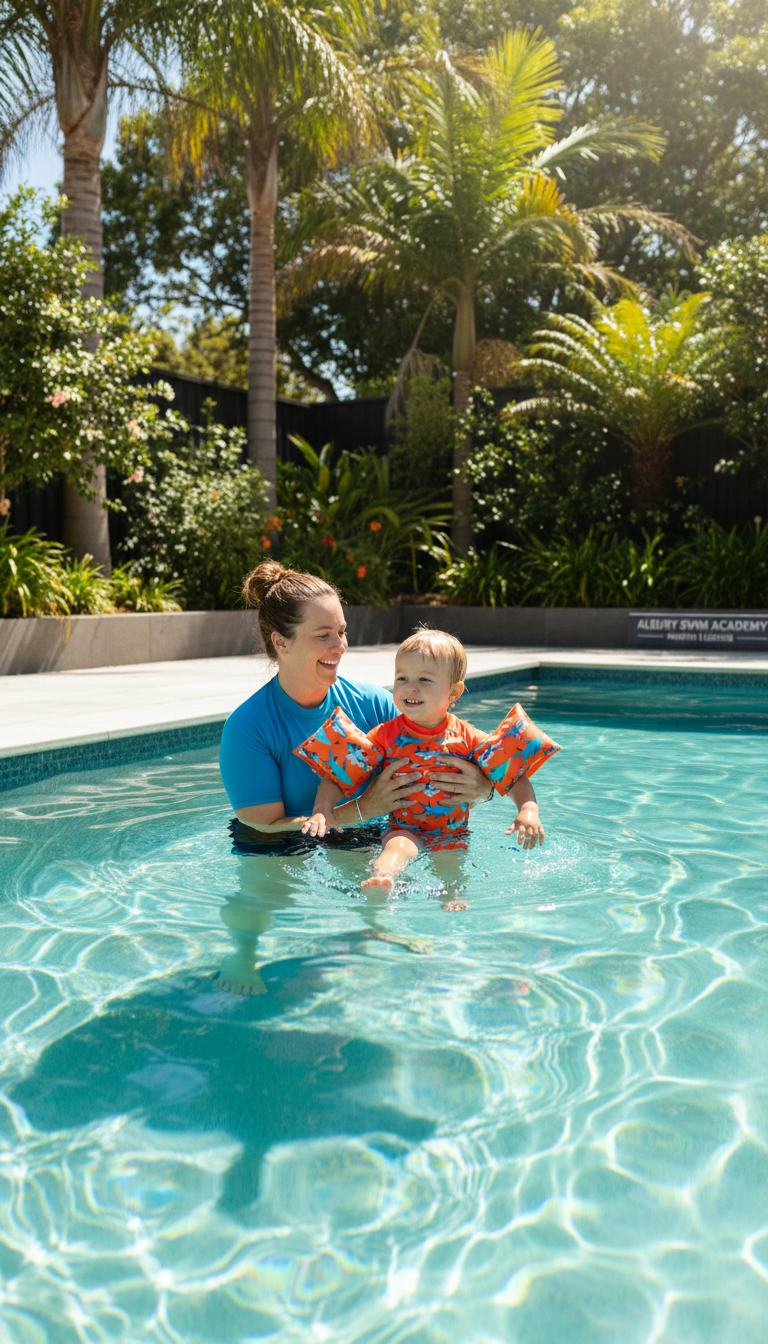
While physical drills build muscle memory, water intelligence builds the judgment necessary to avoid danger in the first place. During our mobile swim lessons, we move beyond the mat to conduct a safety walkthrough of your specific backyard. This is a level of education impossible to achieve in a crowded public facility. We teach children to look for local hazards such as mossy, slippery tiles or the specific weight and swing of their own pool gate. Understanding that a gate must never be propped open for convenience is a cognitive milestone that shifts a child from a passive observer to an active participant in their own safety.
Incorporating these discussions into swim survival lessons cool wet days allows us to focus on the logic behind the rules. We identify designated safe zones where a child should wait for an adult and emphasize the absolute danger of swimming alone. In the Albury Wodonga region, many properties have layouts where a pool might be obscured from the main house. Identifying these blind spots during private swimming lessons ensures children understand where they are most vulnerable. This intelligence turns your backyard into a classroom for lifelong safety, providing a tailored perspective that generalized programs lack. To customize a safety plan for your home environment, contact Your Pool Swim School for an onsite session.
The 80/20 Rule and Survival in Swimming
While parents often focus on the elegance of a stroke, we view aquatic proficiency through an 80/20 lens. In this framework, 80 percent of a student's time is dedicated to technique and propulsion. The remaining 20 percent consists of survival instinct and safety knowledge. This critical 20 percent is what actually saves lives during an accidental fall. Survival in swimming is defined by the ability to remain calm under duress, execute a star float to conserve energy, and successfully return to safety.
Many families ask what constitutes a survival skill versus a swimming skill. A swimming skill moves you through the water; a survival skill keeps you alive in it. During swim survival lessons cool wet days, we emphasize that survival is not dependent on the thermometer. A child who can tread water or bounce off the floor to reach the surface in a heated pool must be able to replicate that calmness in the cold waters of a backyard pool in winter. Private swimming lessons provide the focused environment needed to cultivate this mindset. If you want to strengthen your child’s survival instincts, contact Your Pool Swim School to learn about our mobile swim lessons.
Preparing for the First Summer Swim
Maintaining a consistent routine through this longer-than-expected cool spell ensures the transition back into the pool is seamless when the Albury Wodonga sun finally warms the water. Children who continue safety training through the off-season, learning out of the pool while the water stays cold, avoid the common first-lesson fear that often leads to tears and regression. Instead of spending weeks rebuilding basic confidence, these students arrive at the pool edge with their rescue protocols and stroke mechanics already front of mind.
Our mobile swim lessons are the vital link between seasons, keeping the physical and mental connections to aquatic safety active even when the water is too cold to swim comfortably. Because we teach out of the pool too, there is no need to press pause and re-teach forgotten skills when summer returns. To keep your child progressing right through this cool weather, contact Your Pool Swim School today to sign up for private swimming lessons that run year round.
The 8th of November has brought cool, wet weather that has lingered longer than expected, but that does not mean your child's swimming progress has to stall. Learning does not only happen in the water, and our team keeps teaching out of the pool too. Don't wait for summer to sign up. Contact Your Pool Swim School today to keep your child's water safety skills growing this season.